
UA grad sent to collections over empty apartment utilities
A University of Arizona graduate says she was charged utility fees for an empty apartment near campus, leading to a collections notice and damage to her credit report.

What began as a frantic search for senior-year housing near the University of Arizona ended with a surprise debt sent to collections and damage to a young graduate’s credit report after she and her family say a luxury student apartment complex charged hundreds of dollars in unexplained utility fees for an empty unit.
Lena and Luke’s daughter, who graduated from the UA last year, lived in the dorms for her first three years but missed the application deadline leading up to her senior year.
With the start of a new school year quickly approaching, the student and her parents were nervous about not having secured a place to live and began searching for off-campus housing. The UA has a limited number of dorms, leading many families to turn to off-campus student housing as an alternative.
Because the student didn’t have a car and worked early mornings and late nights on campus, it was important to her family that her new place be within walking distance of campus.
“The only option, really, was these high-rise things right close to campus, or that seemed to be, you know, the best option. It was expensive. We thought, ‘oh, geez, this is overpriced for what it was,’” said Luke, who asked that his daughter’s name not be used.
Luke and Lena agreed to speak to Tucson Spotlight on the condition of partial anonymity, fearing that publicly challenging a major housing provider could negatively affect their daughter’s future rental prospects and credit history.
The modern high-rise apartments on the west side of campus stand in stark contrast to the University of Arizona’s signature red-brick buildings. Clustered between Euclid and Park avenues along Speedway Boulevard, the developments house thousands of students each year.
These apartments sell a luxurious college lifestyle, a place students can call “home” while enjoying a wide range of amenities, including rooftop pools, hot tubs, study halls and fitness centers.
But for many, the most important factor is their proximity to campus and the university’s nightlife.
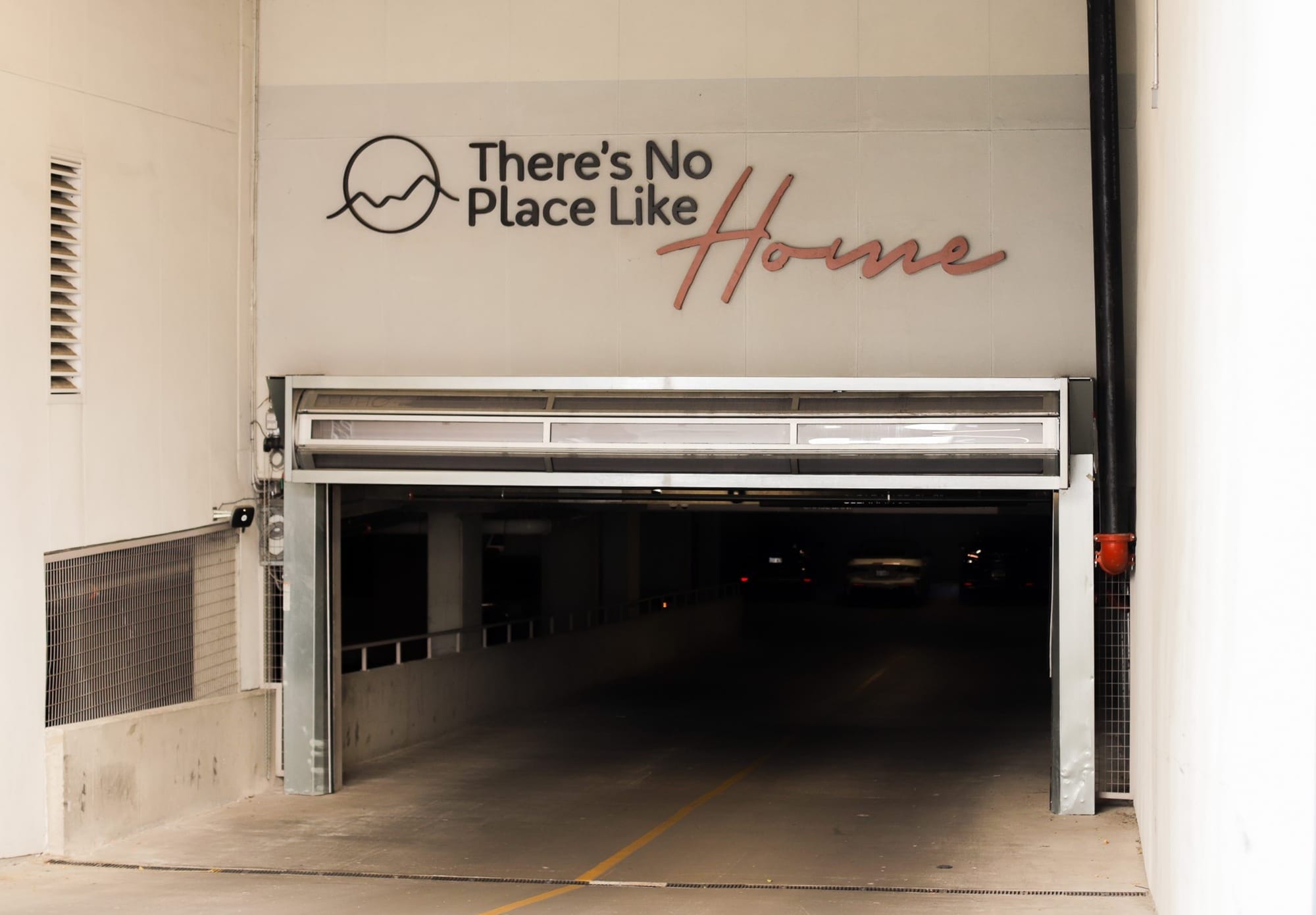
Luke’s daughter moved into The Parker for her senior year. It is located on North Park Avenue just across from the university’s main campus.
At that time, The Parker was one of the newest buildings in the area, having been developed in 2021 by Sterling University Housing and sold to Inland Acquisitions for $132.5 million in 2024.
The eight-story complex has 131 units ranging from studios to six-bedroom units. Each is fully furnished with wood-style flooring, modern furniture, granite countertops and an in-unit washer and dryer. In addition to the in-unit amenities, the building also has a rooftop pool and deck, hot tub, fitness center and coworking spaces with a coffee bar.
When looking at The Parker’s reviews, Lena and Luke noticed that many of the positive reviews only highlighted the luxurious amenities.
“It’s kids doing the reviews,” Lena said.
But any reviews “related to billing or management were pretty negative,” Luke said.
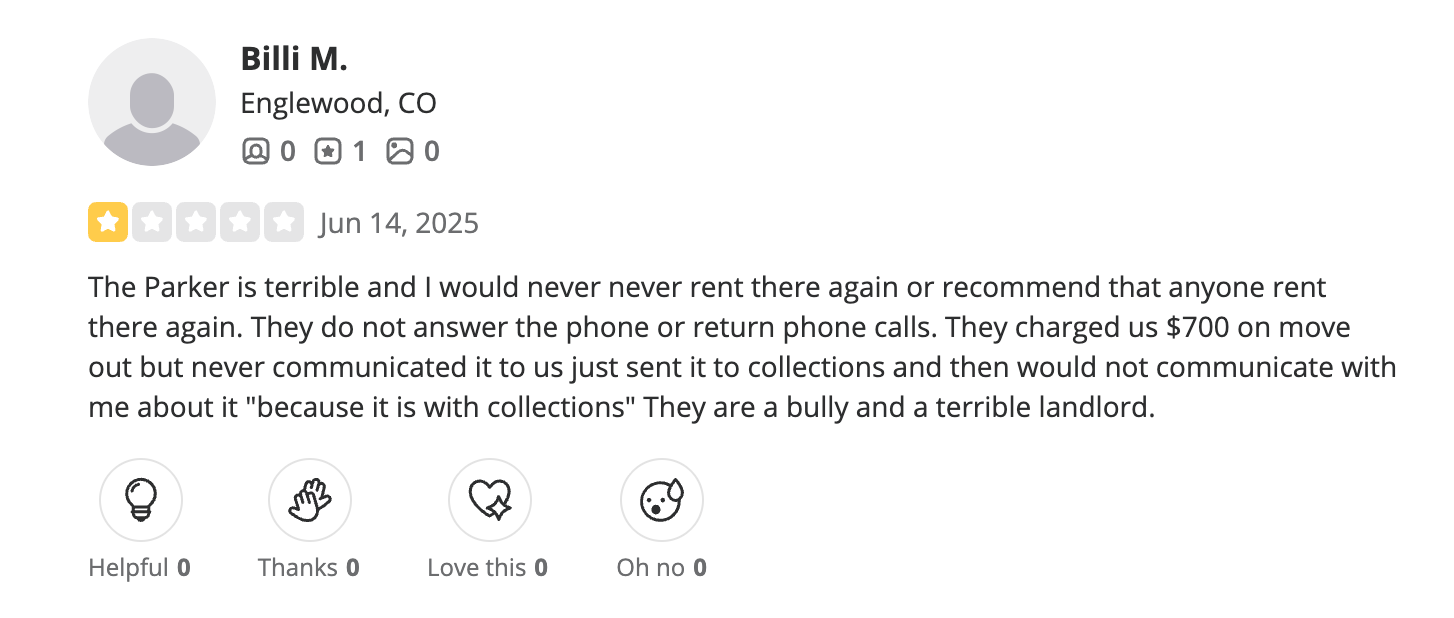
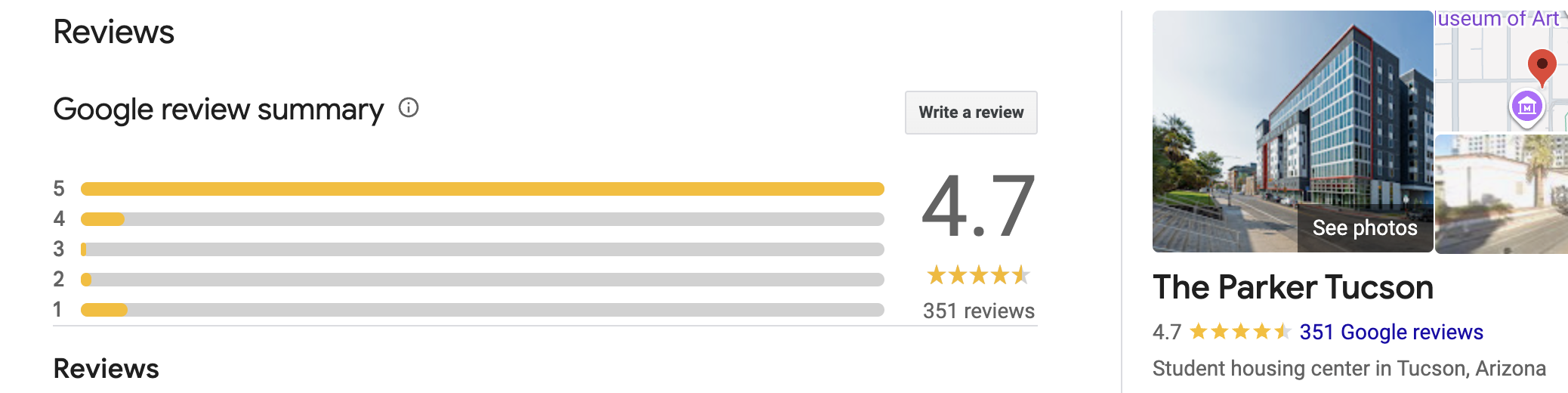
The Parker has a 2.8-star rating on Yelp, with many of the reviews mentioning deceptive business practices and issues with management. On Google, it has a rating of 4.7 stars, though many of the negative reviews mention similar issues.
The Parker is managed by Core Spaces, a company that builds, owns and operates build-to-rent spaces across the country with a focus on college student housing.
Core Spaces owns six complexes in Tucson, all located adjacent to the UA campus, and manages other complexes, including The Parker.
Tucson Spotlight reached out to Core Spaces for comment but did not receive a response.
Luke’s daughter signed a lease at The Parker from Aug. 18, 2024, to July 31, 2025, with Luke signing as the guarantor. She lived in one room in a four-bedroom unit and only had one roommate, who moved out in December 2024. For the rest of the lease, she lived alone.
Her rent was $1,829 plus utilities, of which she was responsible for 25%. She also had to pay monthly liability insurance ($13.95) and credit reporting ($6.95), which was optional, but the family decided to purchase it to help build their daughter’s credit. There were also several one-time fees, including annual green/valet ($350) and utilities administrative fees ($62.50).
Luke and Lena stressed to their daughter the importance of paying bills on time, as this was her first time renting an apartment.
“This is how you establish your credit rating. If you want to rent an apartment in the future, they're going to look (your credit score) up. You always have to pay your rent on time,” Luke told his daughter.
A few months after she moved in, Luke’s daughter reported several issues with management, including staff entering her apartment early in the morning without notice and being charged late fees because her checks were not processed on time.
“All of those were reversed, but only when she requested it,” Luke said.
But the biggest issues arose after she moved out in May 2025 after graduating from the UA.
She continued paying her rent until the end of July, when her lease was up, and also continued paying her share of utilities for the two months she was not living there. But because the apartment was vacant, she expected her utility bill to be low.
On July 17, 2025, Luke and his daughter received emails from “Cora B.,” a virtual AI assistant for Core Spaces, stating she had an outstanding balance of $526.22, with no details of the charges provided. The email also did not include any contact information for follow-up.
Luke requested a copy of the full ledger of charges and payments to his daughter’s account to see what the outstanding balance was for, saying he was willing to pay any legitimate outstanding charges.
Two months and three requests later, Luke finally received it via email.
“I look at the ledger, and it turns out that the utility charges for the two months that she was not even living there were higher than the utility charges for the months she was living there,” Luke said.
This raised questions about how the utility bills could be so high if the apartment had been empty since mid-May.
The first notice from Cora B. was the start of a long series of back-and-forth emails with the AI assistant that included past-due notices and threats that Luke’s daughter would be sent to collections.
Luke believed there must have been a mistake in the numbers and tried repeatedly to contact The Parker’s management but only received responses from Cora B.
“It was just constant messages back to us. ‘Pay this, pay this, pay this,’” Luke said.

In a final attempt to resolve the dispute, Luke sent a letter to Core Spaces on Sept. 25 outlining his complaints and demands.
“This high level of utility usage clearly documents that either The Parker allowed someone to occupy the unit while being leased by my daughter, without her permission, and/or that she is being incorrectly, if not fraudulently, charged for utilities in violation of the terms of her lease as well as in violation of Arizona housing law,” he wrote in the letter.
Within an hour, Luke received an email reply from Michelle Brown, Core Spaces centralized account manager, promising to investigate his daughter’s account, ensuring that Core Spaces would not pursue collections and assuring him that no one had been living in the apartment after his daughter moved out.
Despite Brown’s promises, Luke and his daughter were sent to collections a month later.
“Our records indicate the above amount is now 90 days past due stemming from the annual lease for (the student.) This account is being sent to our debt collection agency. Please note that our team will no longer be able to assist you with this account and you must speak directly with the collection agency moving forward,” according to the email from Core Spaces.
In December, Luke and his daughter’s credit report showed an adverse report from the debt collection agency ProCollect. Luke’s credit score went from “excellent” to “good,” but he is more concerned about the potential impact on his daughter’s life.
“She is just starting out in life and has only had a credit card for a couple of years, so the negative report on her credit card is very impactful,” Luke said via email.
Luke still has not received a response from Brown.
Diana Ramos is a University of Arizona alum and Tucson Spotlight reporter. Contact her at diana@tucsonspotlight.org.
Tucson Spotlight is a community-based newsroom that provides paid opportunities for students and rising journalists in Southern Arizona. Please consider supporting our work with a tax-deductible donation.