
UA first responders report late-semester rise in alcohol calls
University of Arizona first responders report a late-semester rise in alcohol-related emergencies and urge students to seek medical help and practice safer drinking.
Balquees AlBustan / Arizona Sonoran News
Alcohol-related emergencies increase late in the semester at the University of Arizona, a trend first responders say is driven by finals stress, celebrations and heavy drinking.
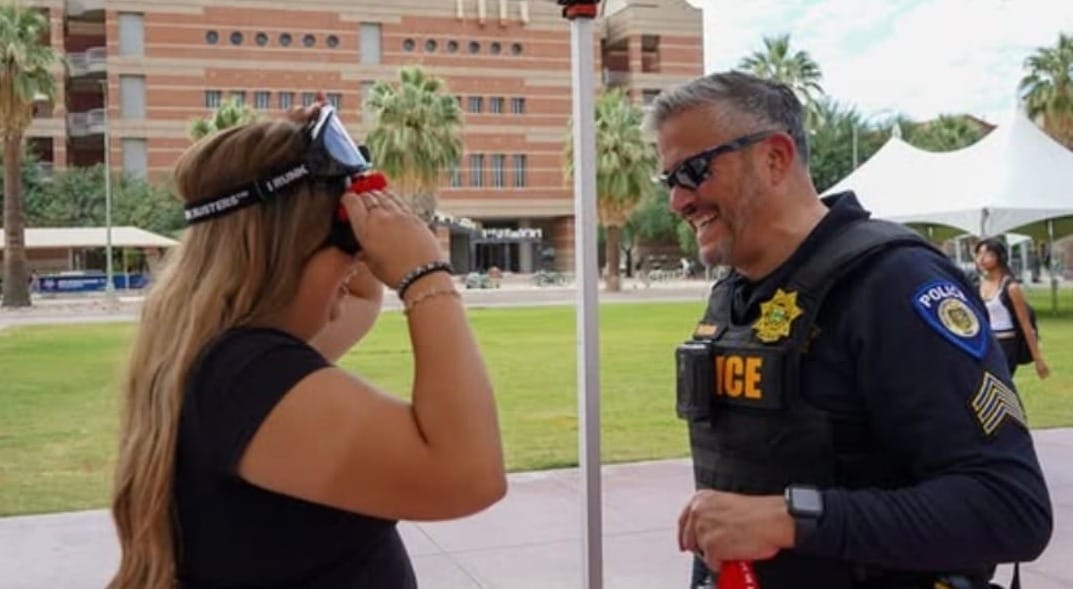
At an outreach fair last month on the UA Mall, students tested “beer goggles” with University of Arizona police, experiencing firsthand how drinking can impair coordination and depth perception.
The beer goggles “let students see when sober how alcohol impairs you,” said Public Information Officer Tamara Ingersoll.
The demonstration came as first responders prepared for a seasonal increase in alcohol-related emergencies, which are already common throughout the year.
“Alcohol-related intoxication is our most common type of call throughout the year,” said Jacob Herbert, captain of public information and outreach for the student-run UA Emergency Medical Services. “As the semester comes to an end, with … exams and a surge of end-of-semester activities, we see a noticeable increase in these calls.”
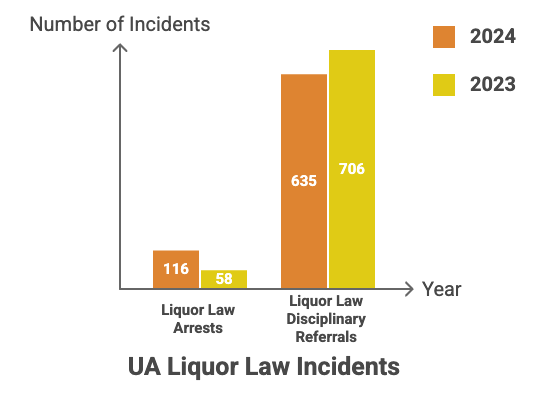
In 2024, the University of Arizona reported 116 liquor law arrests involving on- and off-campus incidents, up from 58 the year before, according to the annual security and fire safety report.
The school saw a slight drop in liquor law disciplinary referrals, from 706 in 2023 to 635 in 2024.
Beyond campus, city officials also report a seasonal rise in calls involving intoxication, injuries from falls and cases where students mix alcohol with energy drinks or other substances.
“Oftentimes it’s just people who have too much to drink and end up needing medical assistance,” said Lochlin Michie, a firefighter with the Tucson Fire Department.
Officials warn that many emergencies begin with small decisions that escalate quickly, especially when students are dehydrated, have not eaten or underestimate how much they have drunk.
“We understand college students are going to drink,” Michie said. “If alcohol or any illegal drugs are involved, make sure you are around sober people, never drive under the influence and stay aware, because it can quickly become a life-threatening situation.”
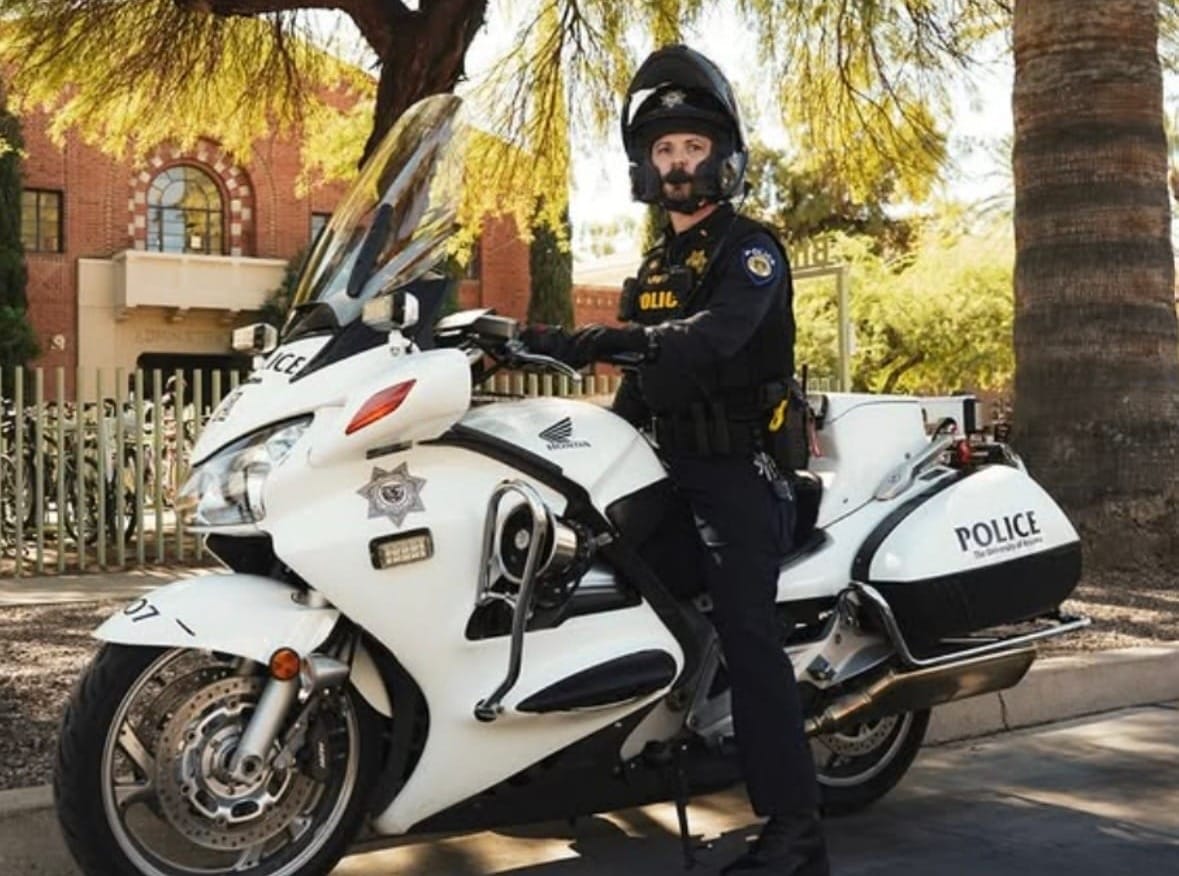
UA Emergency Medical Services responders are also students, allowing them to approach emergencies without judgment and with an understanding of the pressures of college life, especially during finals week.
Still, one of the biggest concerns among emergency responders is that students often delay seeking medical help because they’re afraid of getting in trouble.
Arizona’s Good Samaritan Law protects individuals who call 911 for alcohol-related medical emergencies, including on the UA campus.
“In case of a medical emergency, you can call 911 to get medical assistance and would not worry about getting into trouble. It is actually just to get someone to help without the fear of getting in trouble,” Herbert said.
Herbert also stresses the importance of eating a full meal before drinking, staying hydrated and drinking water between alcoholic beverages. It’s also important for students to remain with trusted friends, make a plan to get home safely and never leave anyone alone if they seem unwell.
He urged students to remember the warning signs of alcohol poisoning, including the inability to wake up, vomiting, slow or irregular breathing and unconsciousness.
Arizona Sonoran News is a news service of the University of Arizona School of Journalism.
Tucson Spotlight is a community-based newsroom that provides paid opportunities for students and rising journalists in Southern Arizona. Please consider supporting our work with a tax-deductible donation.