Tucson's first Palo Verde Bloom Festival disappoints vendors
Vendors who paid to participate in the inaugural Palo Verde Bloom Festival say poor turnout, high winds and last-minute fee changes left most going home with less than $100 in sales.
Vendors who paid to participate in Tucson's first Palo Verde Bloom Festival say poor turnout, high winds and last-minute fee changes turned a promising community event into a financial loss.
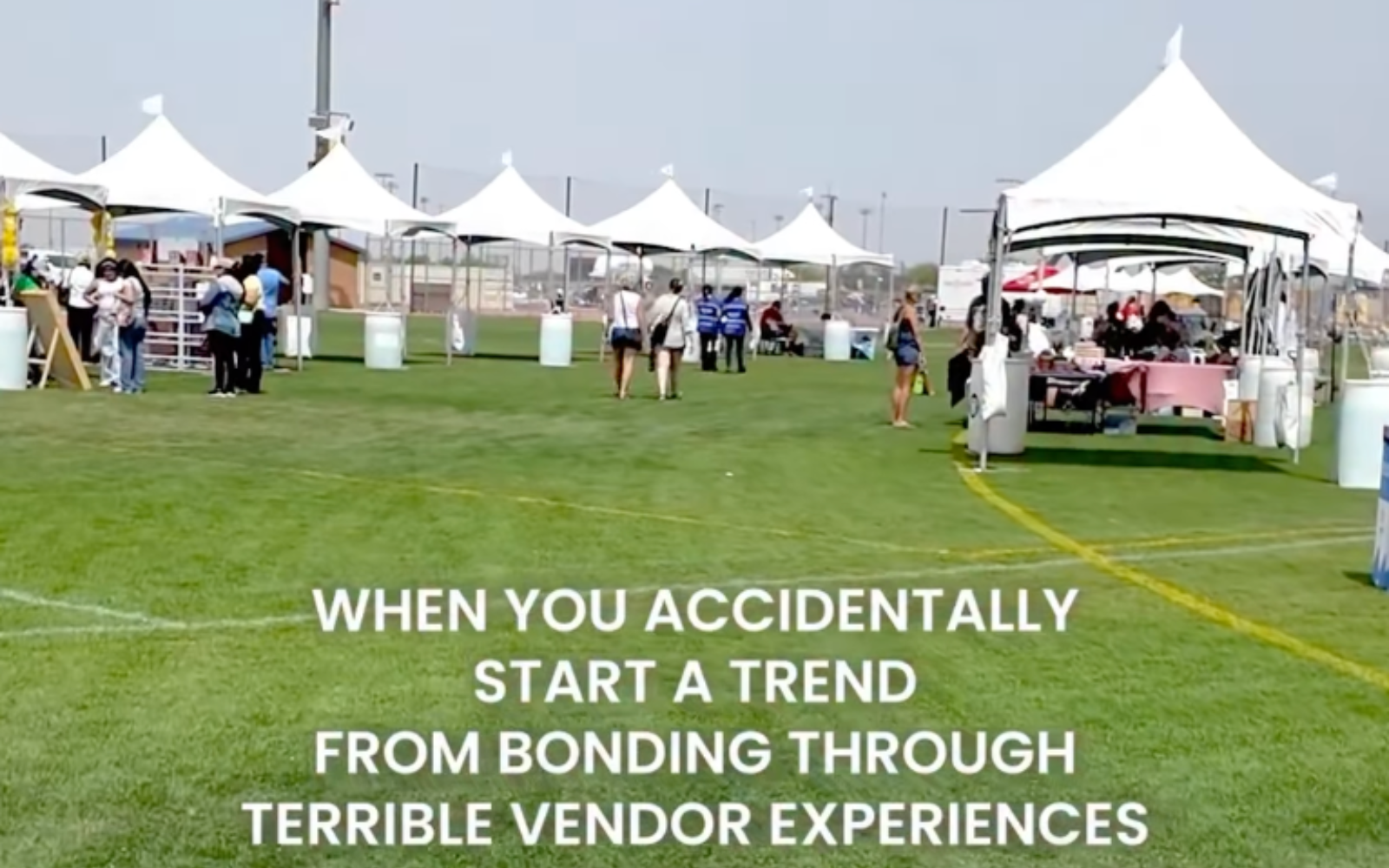
The Southern Arizona Hispanic Chamber of Commerce's Palo Verde Bloom Festival was held March 28 at the Kino Sports Complex, bringing together local vendors, live music and community programming.
Organizers promoted the event as a large-scale festival, telling vendors they could expect between 1,000 and 5,000 attendees during the event, which ran from 9 a.m. to 5 p.m.
But several vendors say attendance, communication and on-site conditions fell far short of those expectations, taking to social media to express their frustration. Some said they had fewer than a dozen sales; others estimated they made less than $100.
Rob Elias, president and CEO of the chamber, acknowledged that attendance did not meet organizers' expectations, pointing to several contributing factors.
"As an inaugural event, attendance projections are difficult to determine," Elias wrote in an email to Tucson Spotlight. "While there was steady participation throughout the day, attendance did not meet the expectations we had hoped for. The wind, the weather, and competing events that were scheduled after our date was secured, all contributed to conditions that were less than ideal."
Elias also cited the University of Arizona's Elite Eight game that day as a contributing factor, though tip-off wasn't until 5:49 p.m., nearly an hour after the festival ended.
For the vendors on the ground, the day told a different story — one that started with a significant financial commitment just to participate.
Non-food vendors paid $250 for booth space, which included a tent, signage and parking. Food vendors said they were initially told they would not pay an upfront fee, but would instead give 25% of their profits.
"Not hearing that we have to pay an upfront fee was kind of good in the moment," Aralexie's Sweets owner Aralexie said in an Instagram reel. "It meant that I could actually invest into the products I was bringing to the event."
But Aralexie and other food vendors say that agreement changed the day of the event.
"Before 12:30 p.m. that day there were people coming around collecting a flat rate of $50 from all vendors," Aralexie said. "That $50 was more than 25% of all the sales I made that day."
SoGayCrochet, another vendor who posted about the experience on Instagram, said vendors were told they would leave with more than $2,000 each.
"Most went home with less than $100," they said.
Vendors said poor advertising contributed to the low turnout.
"The event was barely advertised," Noor, the owner of Happy Light Designs, said in an Instagram reel.
Others in the community noticed the lack of promotion as well.
"I saw (marketing for the festival) like the week of," local influencer Megan Monge, who goes by Tucsonlocalista, said in an Instagram story.
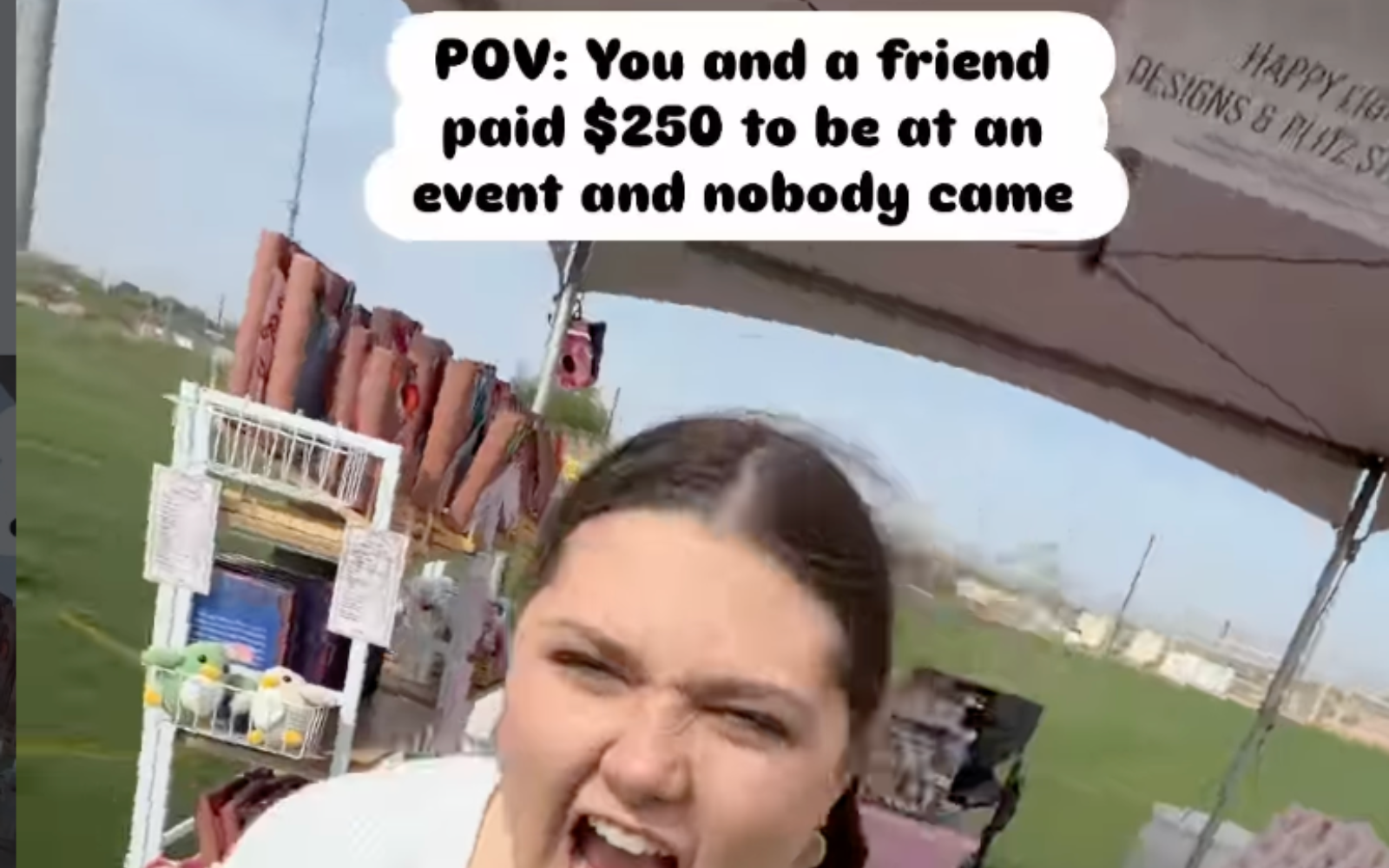
Communication was another common complaint, with several vendors saying there was a lack of communication leading up to and during the festival.
"There were so many wind and rain forecasts, but nothing was said from any of the event coordinators," Aralexie said.
Those forecasts ended up causing additional issues, with vendors describing difficult and, at times, unsafe conditions due to high winds.
Wind speeds on Saturday exceeded 20 miles per hour, making it difficult for vendors to set up tents, displays and products.
"It was honestly so unsafe to set up anything," Aralexie said in her reel. "Multiple vendors had all of their stuff blown away, I had a cake fly off my mini fridge."
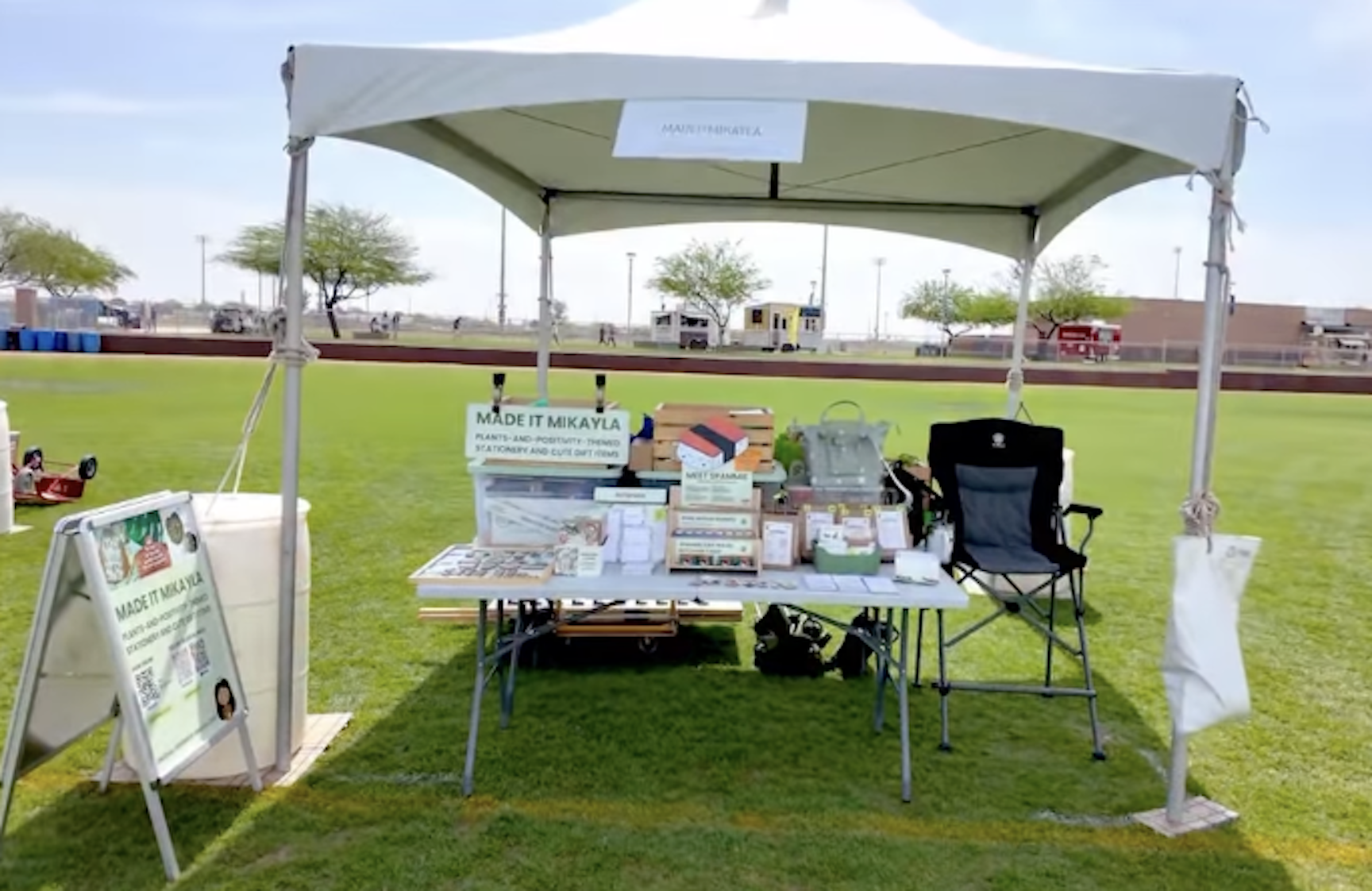
While the tents provided by organizers were sturdy, they were also open on all sides, exposing products and equipment to dust and wind.
For at least one vendor, the conditions resulted in an injury.
"My box flew open and hit my head and it cut my face in three different places," Noor said. "I was unable to find medical attention and I went to the group organizers and they sent me back with an alcohol wipe and a bandaid."
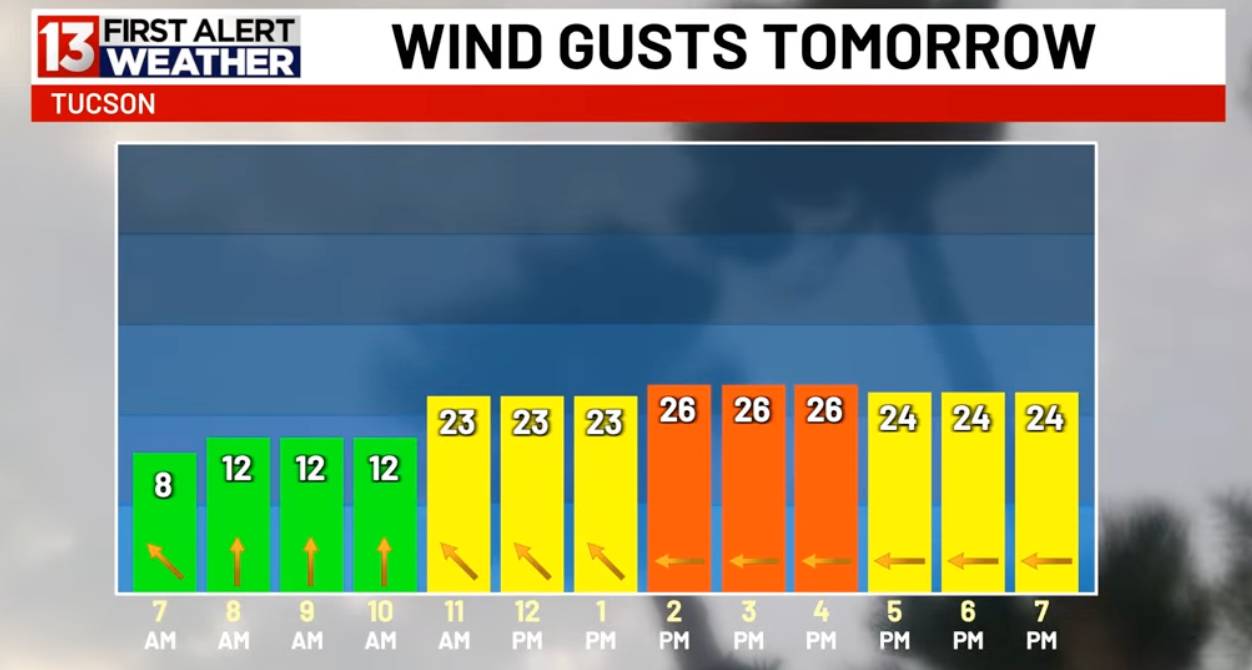
Elias acknowledged that the winds were stronger than anticipated, saying organizers added more than 100 water barrels the day before the event in response to a high wind warning and that staff monitored tent stability throughout the day.
"Safety was a top priority," Elias said.
Vendors also described confusion during load-in and load-out, saying parking instructions were unclear. Some said they were only given minutes to unload before being required to move their vehicles, while others reported that the stadium's gates were closed at the end of the event, forcing them to carry equipment long distances to their vehicles.
"There wasn't even any clear instruction," Noor said. "It was just a free for all."
In addition to logistical challenges, vendors said the event's layout was a major factor in poor sales, with booths spread far apart and some sections left nearly empty.
"Me and my other vendor were placed … in the very back, so even if people did come they wouldn't have found us," Noor said.
Others said customers had trouble finding the event at all or confused it with the Junior League of Tucson Touch-A-Truck event, which was also taking place at Kino from 9:30 a.m. to 1 p.m.
"After 3 p.m. it was dead," Aralexie said. "No more customers, no more sales."
As frustrations mounted, many vendors began packing up early, with some leaving hours before the 5 p.m. end time.
"I ended up just leaving early because I began to realize it was not worth my time," Noor said.
Several vendors said they requested refunds in the days following the festival, but were told refunds were not possible and were instead offered a discounted vendor fee for future events.
"I at this point can't trust (their) ability to run a market," Noor said. "I think a lot of the vendors are in the same boat."
On refunds, Elias said most vendor fees had already been used to pay for event costs.
"The majority of vendor fees went directly toward hard costs, including tent rentals, per-vendor venue fees, parking, and custom signage created specifically for each participant," Elias said. "This was all communicated to each vendor well in advance of the event. Because those costs were incurred in advance and executed as planned, refunds will not be issued."
Elias said he recognized the decision would frustrate vendors who had taken a chance on a first-year event.
"We recognize that vendors made an investment, and we respect that, and are grateful they took a chance on our event," he said. "Launching something new carries inherent risk for everyone involved, and as organizers we assumed that risk at a substantially greater scale."
Despite the criticism, Elias said organizers are looking ahead.
"Building something new for the region requires collaboration, patience, and a shared willingness to grow," he said. "We welcome thoughtful and fair feedback and will continue evaluating what worked, what didn't, and how we can improve. At the same time, we hope there is room for grace in the early stages of something intended to become a long-term community tradition."
Vendors say their goal is not to attack organizers, but to highlight the realities small businesses face when events fall short.
"This is our money, our time, and our work," Aralexie said. "Events like this take real investments from small businesses."
McKenna Manzo is a graduate student at the University of Arizona and Tucson Spotlight intern. Contact her at mckennamanzo@arizona.edu.
Tucson Spotlight is a community-based newsroom that provides paid opportunities for students and rising journalists in Southern Arizona. Please consider supporting our work with a tax-deductible donation.