Tucson seniors navigate politics in college essays
Tucson high school seniors grapple with how much of their activism, immigration stories and cultural identity to share in college essays amid a shifting political climate.
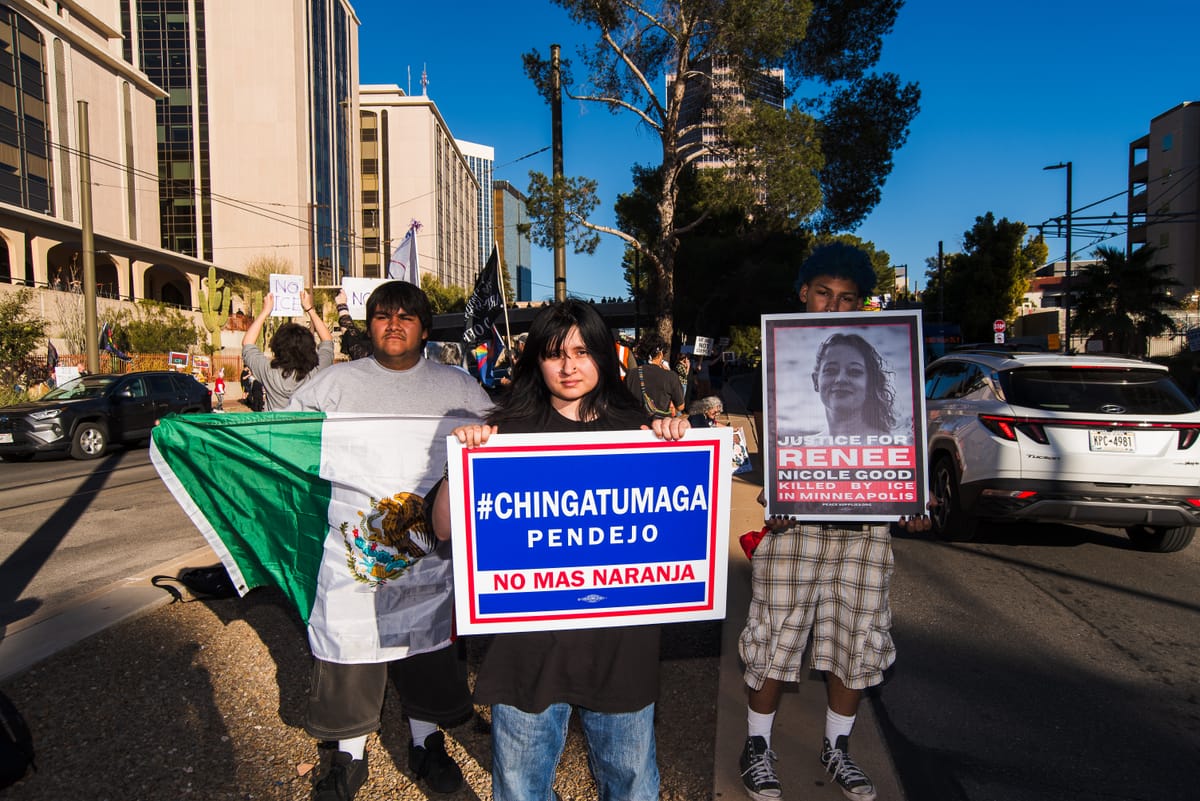
As Tucson high school seniors finalize their college applications, some are weighing how much of their activism, immigration stories and cultural identity to reveal in personal essays amid a shifting national political climate.
For years, colleges have required applicants to submit a personal essay in addition to standard admissions materials such as grades, SAT scores, references and extracurricular activities.
While some four-year public institutions, including the University of Arizona and Arizona State University, have adopted no-essay or optional essay policies, personal statements are still strongly recommended.
The personal college admission essay was created to help evaluate students beyond grades and test scores. In their essays, applicants can share their lived experiences and explain what has shaped them. In that way, the essay adds context to an application and highlights qualities that numbers alone cannot show.
When Rincon High School student Dennis Ayala began thinking about his essay, his first instinct was to highlight his strengths and achievements.
In the end, Ayala wrote about his journey to becoming the conductor of his school marching band, an experience he said demonstrates leadership, innovation and connection to others.
However, Ayala did not mention his role as president of the Latino Student Union, a club that offers Latino students a space to celebrate their heritage and culture while fostering conversations about issues affecting their community.
Ayala has organized and taken part in school walkouts through the club, including the “Free America” protest earlier this year opposing immigration enforcement practices and other policies of the current administration.
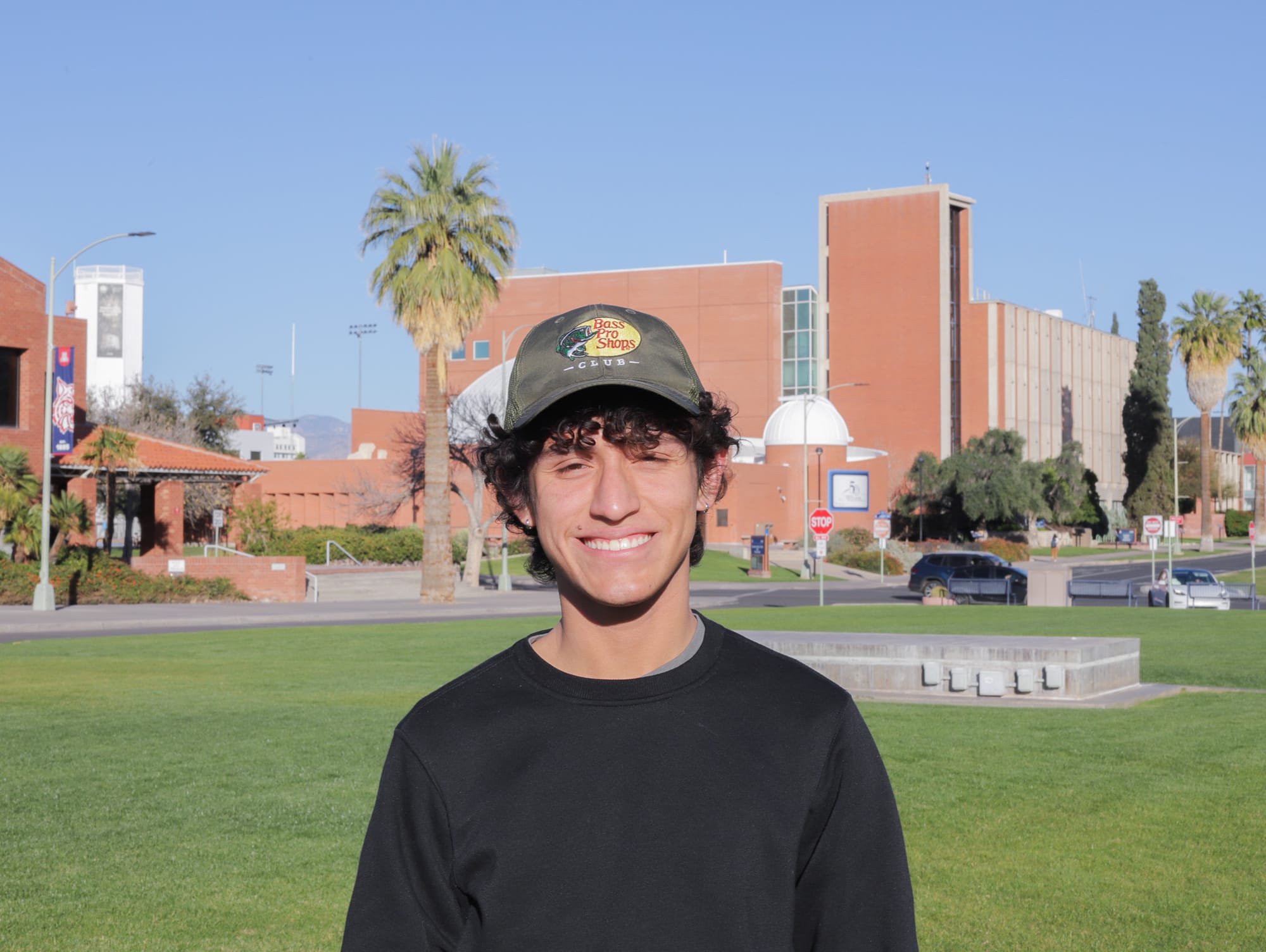
He has also spoken during Tucson City Council meetings against the opening of additional detention centers in the region.
Experts say college essays can be shaped by the country’s political climate.
“I didn't think universities wanted to hear (about my activism) because Latino Student Union is political and advocating,” Ayala told Tucson Spotlight. “I don't know how that would align with everything that was happening.”
Although his family members are U.S. citizens, Ayala said he still worries about his broader community, friends and relatives. That concern, he said, drives him to share “know your rights” information and speak out for those who may not feel able to do so themselves.
“My parents fought for their way into this country, so I will fight for them to continue living here and for everyone else as well,” he said.
As the country becomes more polarized, Ayala believes the discussion is not just about politics but also morality.
“It is not whether or not you pick a side anymore, it's whether this is right or this is wrong because it is human rights at the end of the day,” Ayala said.
During his first week in office, President Donald Trump signed multiple executive orders, including one that targeted diversity, equity and inclusion initiatives in federal agencies. As a result, many universities that receive federal funding dismantled programs that provided “preferred” assistance to students based on race, ethnicity, immigration status, disability and gender orientation.
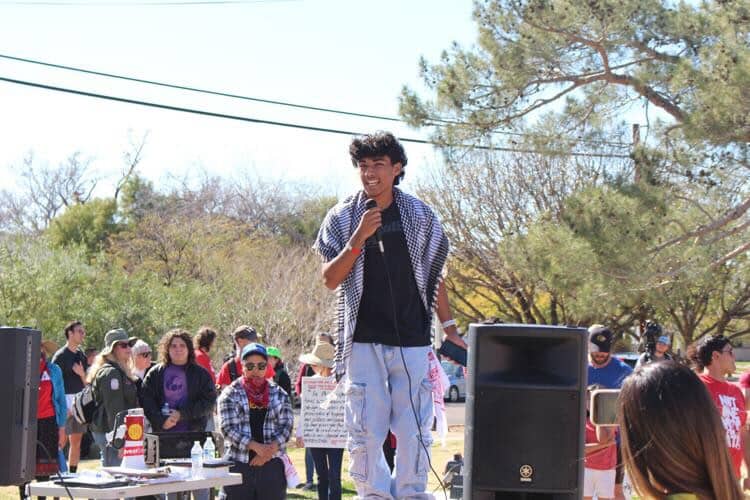
Ayala said he regrets not sharing more about his past and his family’s immigration story in his essay, which he submitted last fall.
“I think it's important for people, especially at my university, to know that people like me and people like my family are continuing to seek higher education and continue to organize, continue to push forward even through everything, even through oppression,” Ayala said. “That's kind of why I regret it.”
At Catalina High School, senior Emiliano Caldera focused his essay on overcoming adversity. Born a U.S. citizen, Caldera said he wanted to show how his Mexican American heritage has shaped his resilience.
Caldera grew up speaking Spanish and lived in Mexico. He said he wanted admissions officers to understand his background and how he has navigated both cultures and languages while excelling in academics and athletics.
“It's powerful to me, knowing to not lose my culture, not lose my background,” he said.
A track and field athlete, Caldera has organized and participated in protests against Immigration and Customs Enforcement presence in schools. He has also taken part in conversations with school leaders about policies aimed at preventing ICE from entering school property.
As a Hispanic person, he fears for his community and family.
“This is a country where we're supposed to have freedom, so I want to, you know, show my voice, because I can stand up right now,” Caldera said.
That sense of responsibility is reflected in his college essay, where he connects his activism to his identity and personal growth.
“I have never been comfortable staying silent. I feel most like myself when I am pushing forward, whether that is in the middle of a 5K race or standing in front of a crowd speaking about something that matters to me,” Caldera wrote in his essay. “When I have spoken at protests and rallies, I felt nervous but also responsible. I was not just speaking for myself, but for my community and for students who feel unheard.”
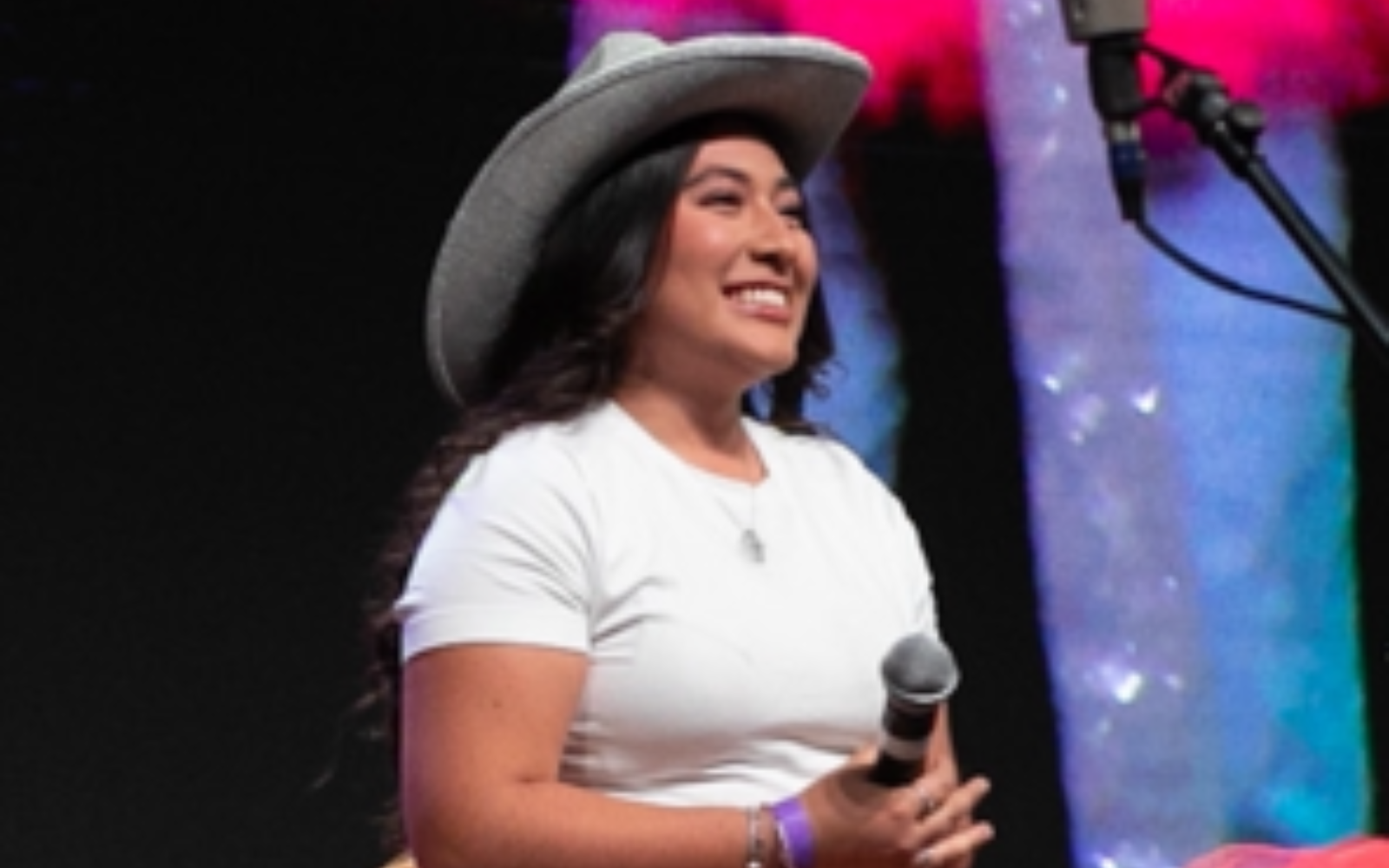
Tucson High School Student Body Vice President Lorynn Rios was inspired by one of the prompts in the Common App, a platform that hosts college applications.
It asked, “What was a belief or value that you held deeply, that was challenged, and how did you move forward?”
In her essay, Rios discusses a personal matter that deeply impacted her family dynamic. Like Caldera, she also wanted to showcase her resilience. However, she reconsidered her essay several times during the writing process.
“I was very scared, and thought to myself, ‘Okay, this is one of the biggest essays I'm ever gonna write, and probably one of the most important. What do I want to represent in that?’” Rios said.
She initially considered writing about her Mexican heritage and folklorico, a traditional Mexican dance she has practiced for many years. She wanted to focus on the importance of community and culture but shifted topics at the last minute when she felt it was more important to discuss her ability to move forward despite hardship.
Rios said she was not afraid to express her Mexican heritage; on the contrary, she felt it was necessary to mention because it represents an important part of her identity.
“It's just important to stay grounded in your roots, and that our roots have shaped all of us, and the way it has made us who we are, and that it's important to just stay proud and prideful,” Rios said.
Rios hopes to find a community where she feels a sense of belonging when she starts college next fall at San Diego State University.
“How will I fit in? How will I adapt to a new environment where it is most likely going to be a predominantly white institution, and how will I adapt to that and find my community,” Rios said.
Diana Ramos is a University of Arizona alum and Tucson Spotlight reporter. Contact her at diana@tucsonspotlight.org.
Tucson Spotlight is a community-based newsroom that provides paid opportunities for students and rising journalists in Southern Arizona. Please consider supporting our work with a tax-deductible donation.