Tucson food culture finds its audience online
A panel at Tucson's TENWEST Festival explored how digital storytelling is shaping the way the city's 5,000-year food culture is marketed and preserved for a global audience.
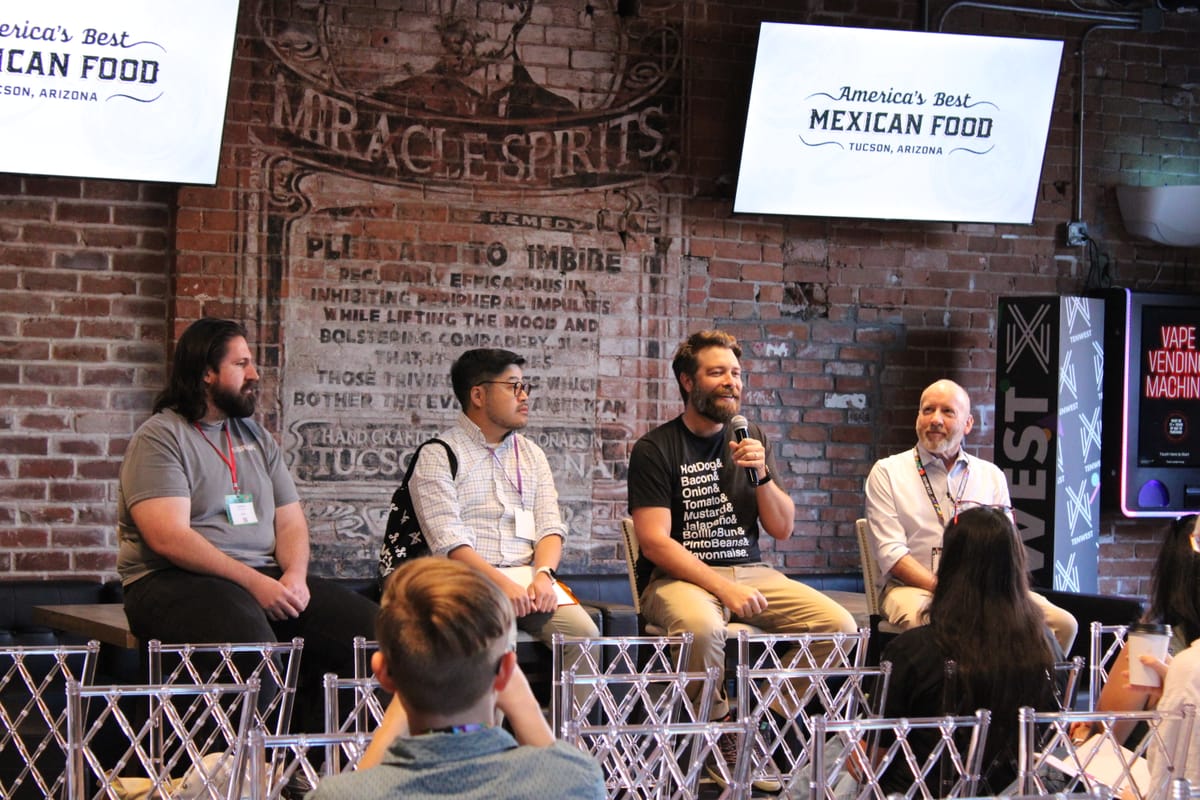
Before most visitors ever taste Tucson's food, they've already seen it on a screen, and a panel of local media and marketing leaders gathered to talk about how to make that first impression count.
The conversation was part of this year's TENWEST Festival, an annual event that celebrates entrepreneurship, creativity and innovation.
The session, "Digital Storytelling: Lessons from a UNESCO Creative City of Gastronomy," explored how Tucson's designation as a UNESCO Creative City of Gastronomy continues to shape the way its 5,000-year food history is shared with a global audience.
For Visit Tucson CEO Lee McLaughlin, the goal is straightforward.
"We try to get people to come here, travel, stay in hotels, spend money, and have great experiences," he said, noting that food has become one of Southern Arizona's strongest draws.
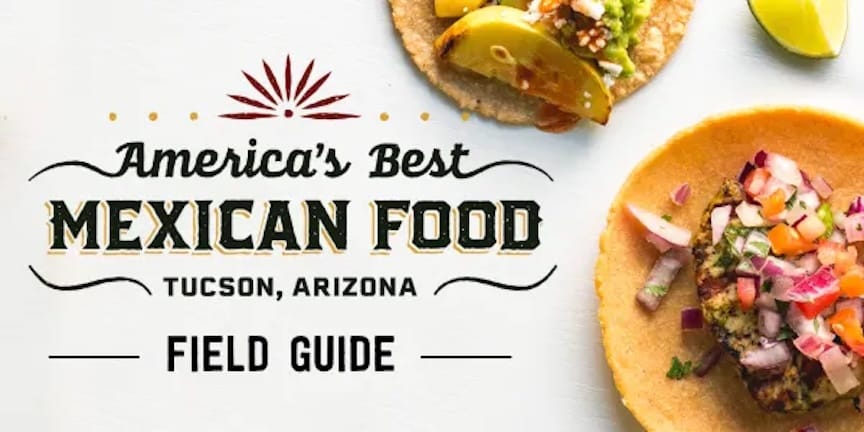
A recent Visit Tucson campaign positioning Tucson as the "home of America's best Mexican food" sparked both conversation and results. By leaning into the city's borderlands identity and culinary heritage, the campaign generated hundreds of thousands of website visits and nearly doubled organic traffic.
Beyond metrics, McLaughlin was prouder of something less tangible: community pride.
"We'd see people debating the best Mexican food online, and locals would jump in before we even had to," he said. "That's when you know the story is resonating."
Tucson Foodie editor Jackie Tran said digital storytelling operates on multiple levels: editorial depth, distribution and real-world impact.
"We tell stories, but we also make sure those stories reach people at the right moment," he said.
While short-form videos like Instagram Reels often serve as a first introduction — grabbing attention with quick visuals and clear messaging — longer articles provide cultural context, explaining the history and meaning behind a dish or tradition.
Success isn't measured by likes alone, Tran said.
"We look at the time spent reading, newsletter growth, and whether people actually walk into a restaurant," he said. "That's when storytelling becomes real."
That approach is especially critical when covering Indigenous foodways, Mexican traditions and Tucson's multicultural identity. Tran said Tucson Foodie tries to sustain ethical storytelling by building relationships with chefs and communities rather than treating them as one-time content.
"Digital storytelling works when it connects culture, people, and place," he said.
Joshua Belhumeur, CEO of advertising agency BRINK Media, pushed back on what he described as an oversaturated "attention marketplace" where content is often designed to satisfy algorithms rather than audiences.
"My mission is to remind people why we make things in the first place," he said. "Not just to optimize for clicks but to create something that actually sticks with people."
His team approaches storytelling with a cinematic mindset, prioritizing point of view over production value alone. For one campaign, BRINK developed a documentary-style series highlighting Tucson ingredients, including Sonoran beef, built around narrative depth and visual language rather than formulaic interviews.
"The difference between a videographer and a cinematographer is having a point of view," he said.
That philosophy extends to the production process, with an emphasis on building trust with interview subjects, shaping stories through pre-interviews and creating content that can be repurposed across platforms without losing its core message.
As search habits shift, with users increasingly turning to AI tools and social platforms for recommendations, panelists agreed that storytelling must evolve while staying grounded in authenticity.
For Tucson, that means using digital tools not just to promote food but to preserve and share the deeper cultural narrative behind it.
"Most people encounter Tucson's food culture through a screen first," Tran said. "But if they end up in a restaurant because of that story, then the story continues in real life."
And in a city where food is both identity and economy, that continuation may be the most important metric of all.
McKenna Manzo is a graduate student at the University of Arizona and Tucson Spotlight intern. Contact her at mckennamanzo@arizona.edu.
Tucson Spotlight is a community-based newsroom that provides paid opportunities for students and rising journalists in Southern Arizona. Please consider supporting our work with a tax-deductible donation.