Tucson fashion show honors missing indigenous women
Indigenous designers, artists and musicians gathered at Main Event Tucson on May 3 for a fashion show honoring missing and murdered indigenous women and children, organized by the Tucson Indian Center.
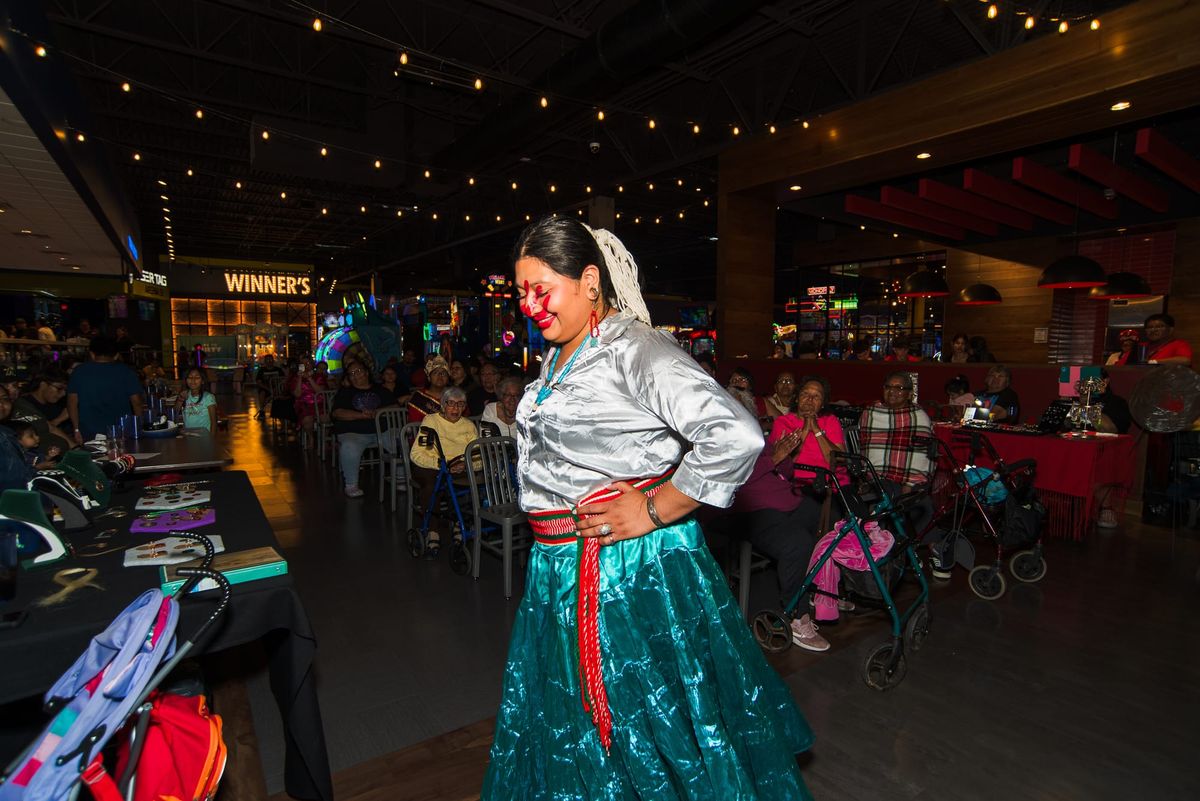
Indigenous designers, artists and musicians gathered in Tucson last month to honor missing and murdered indigenous women and children through fashion, drumming and dance.
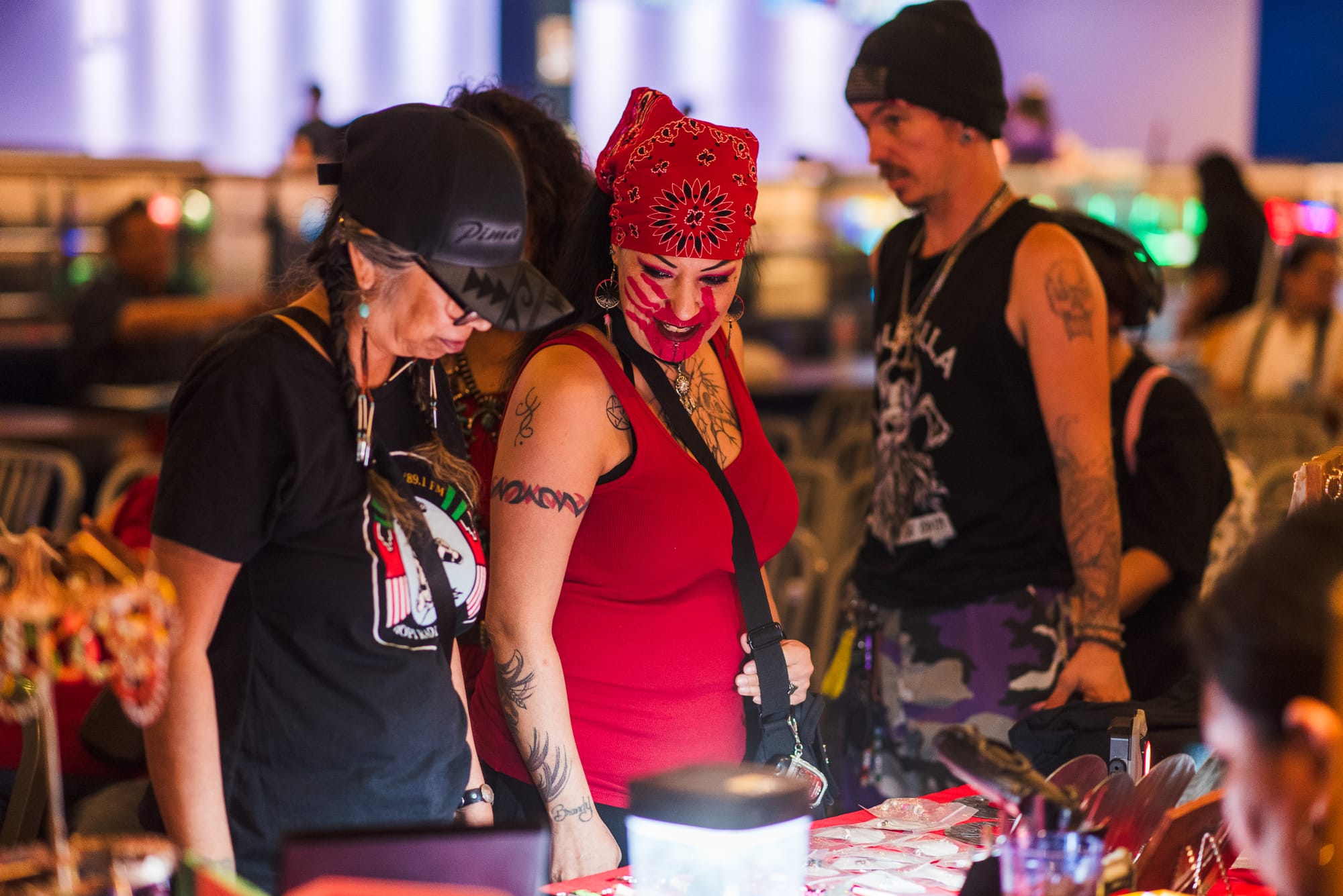
Vendor tables lined the crowd's seating area with handmade jewelry, clothing and trinkets during the May 3 event at Main Event Tucson, each piece a reflection of culture, identity and honor.
The show was a collaboration between Main Event and the Tucson Indian Center, the second such collaboration between the two.
The family entertainment venue reached out last year to several nonprofit organizations about collaborating on an event and the Tucson Indian Center answered the call.
Main Event staffer Kina Miguel said the show aimed to spread awareness in the community and help the MMIW movement continue to grow.
"We want to give awareness," said Tucson Indian Center Intake and Supportive Services Case Manager Jerry Romero. "Our goal is to make it visible, but it's hard to get the movement going. People need to know when Indigenous people go missing, especially when people are missing in our community, to try to find how we as a community can gather for support."
Romero pointed to the variety of tribes participating in the show.
"We have five to seven models," Romero said. "A majority are O'Odham, Navajo, San Carlos Apache, White Mountain Apache, and others."
Tucson Spotlight trains the next generation of Southern Arizona journalists and publishes their work free for everyone. No paywalls, no corporate backing. Just readers who believe this community deserves better local news.
Tasha LaBahe, the center's community engagement coordinator, opened the show with remarks before introducing the Four Winds drum group.
"As native people, we are 1% of the population," LaBahe said. "When an Indigenous person goes missing, no one cares to look for us. Continue to say the name of those who are Indigenous and missing. There are people in this room still trying to get justice."
The drum group was made up of nine people of varying ages, all wearing red MMIW shirts.
They blessed relatives, families, friends and victims before offering a moment of silence in honor of the MMIW movement.
They played before and after the showcase, their drums booming across the venue. Audience members were invited to join in for a few songs, dancing in a circle with arms linked together.
Navajo Nation dancer Jennifer Vega joined the pre-show performance, wearing a long-sleeve black dress with accents in magenta, blue, yellow and green and a white feather headdress, her son trailing behind her, dressed in clothing of the same style.
Vega's mother handmade her dress, with other relatives from the Navajo Nation helping with her accessories.
LaBahe introduced the designers and models as they stepped onto the runway, with the audience erupting into cheers as the show began.
The models represented their tribes with symbolic colors including red, turquoise, black and white.
Ak-Chin member Erica Oliver, one of the show's designers, was also a vendor at the event, selling red T-shirts emblazoned with "MMIW" across the front.
Oliver said she began creating clothing to raise awareness of the Missing and Murdered Indigenous Women and Girls movement after a personal tragedy.
"My granddaughter was murdered in 2013," Oliver said. "It's to honor my granddaughter, to give to families, and to honor loved ones."
Oliver also designed a white dress for the show to honor her granddaughter's memory.
"The white dress represents the innocence of baby Isabelle," LaBahe said, as the model walked across the stage.
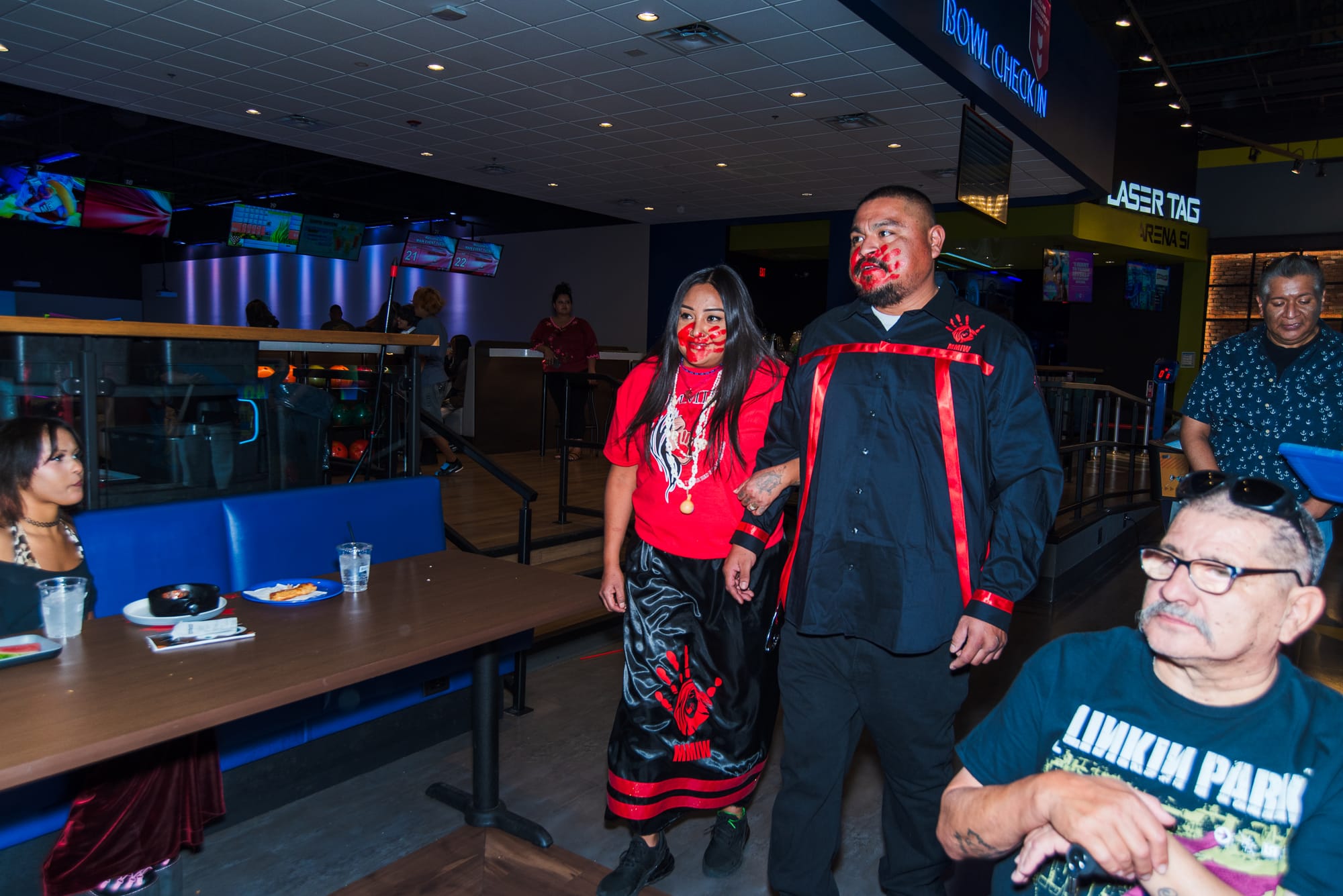
The designers also incorporated other significant symbols into their garments, including red handprints sewn onto dresses and tops, as seen in Alice Guzman's design. LaBahe explained the meaning behind the symbol.
"The red hand symbol signifies the blood of those women who were murdered," LaBahe said.
The four cardinal directions, which are sacred and represent natural forces, seasons, life stages and spiritual teachings, were also present in some of the designs, including ribbons on a dress.
Miss Tohono O'odham Nation 2026 Shania Manuel closed out the show, singing a song in O'odham while audience members stood.
Organizers LaBahe and Romero want the show to return next year and reach a bigger audience, spreading the word about the MMIW movement while also connecting with the community.
"This evening was to say their names, say it out loud, say it in prayer," LaBahe said. "It also brought our community together. Let's leave this space with healing."
Katlyn Vargas is a University of Arizona student and Tucson Spotlight intern. Contact her at katlynvargas@arizona.edu.
Tucson Spotlight is a community-based newsroom that provides paid opportunities for students and rising journalists in Southern Arizona. Please consider supporting our work with a tax-deductible donation.