Tucson diplomacy group to spotlight international exchange work at dinner
The Citizen Diplomacy Alliance will use its upcoming dinner to highlight its mission of fostering international understanding, featuring a keynote from Shadow Wolves tracker Kevin Carlos.
A Tucson group dedicated to “citizen diplomacy,” the idea that individuals can shape foreign relations through personal connection, will spotlight its mission at its upcoming Citizen Diplomacy Dinner, headlined by Shadow Wolves tracker Kevin Carlos.
The Citizen Diplomacy Alliance brings foreign leaders and international scholars to Southern Arizona for cultural exchange and home hospitality. It’s based on the idea that the individual citizen has the right — even the responsibility — to help shape U.S. foreign relations “one handshake at a time.”
By opening homes, offices and schools to foreign leaders participating in the U.S. Department of State’s International Visitor Leadership Program and other exchanges, alliance members foster understanding and cooperation, constructive economic connections and peaceful interaction.
The alliance works with the International Visitor Leadership Program, which annually brings roughly 4,000 foreign nationals to the United States. The program has been around for nearly 80 years and has included more than 335 current or former chiefs of state or heads of government.
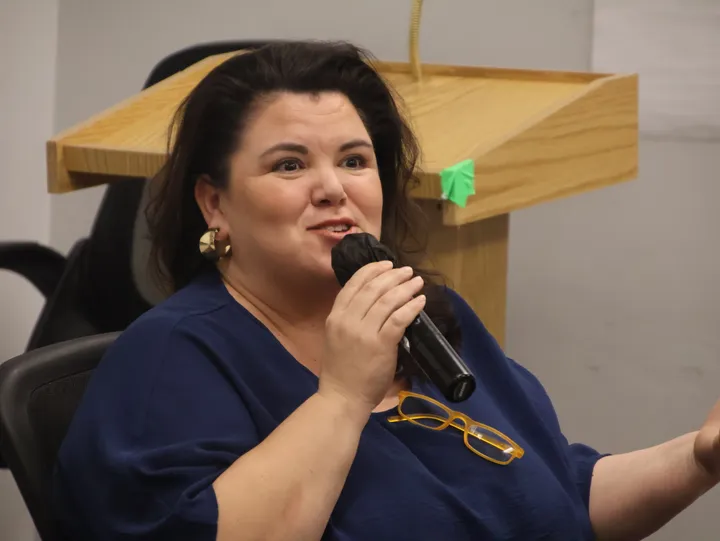
In the 16 years that Pat Watson has served as the alliance’s executive director, they’ve hosted visitors from 139 countries.
“Everyone from potential country leaders to business leaders,” Watson said. “The consulates in the different countries choose people who they believe will be influential in the political arena in years to come. They want them to understand the United States more than what they get on the news. Have them meet real people and see our vastness.”
Watson said Americans often forget how large the country is, noting that most South American and European countries are much smaller.

Participants in the program spend 21 days in the United States, starting their visit in Washington, D.C., before visiting three other cities.
“The idea is to give them a geographically diverse picture of how big we are and the different cultures we have,” she said.
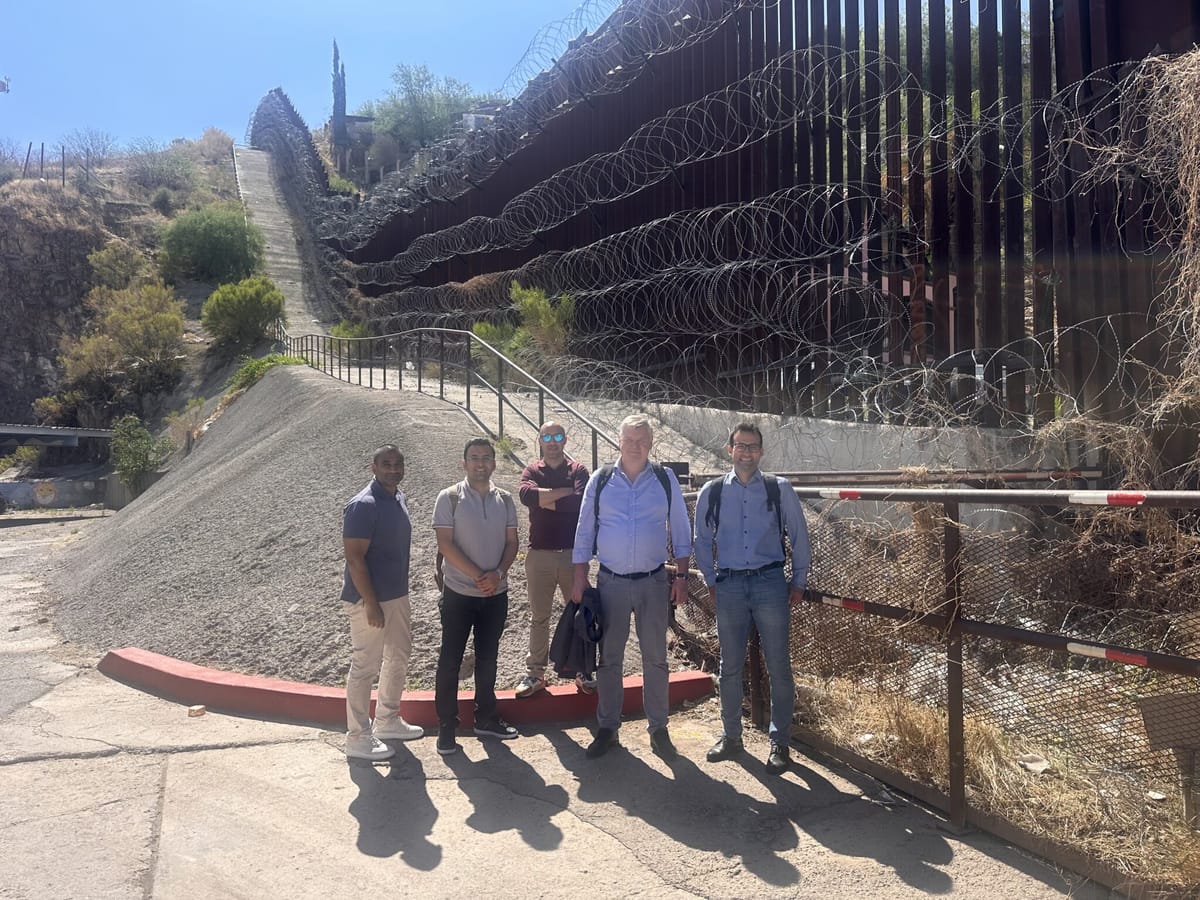
The activities they participate in depend on the group and the region. In Southern Arizona, visits often focus on law enforcement and border issues, as well as Indigenous life and culture.
Visitors often meet with government leaders and immigration officials during their time in the region, including the acting consuls for the countries they represent. This week, a group from Burkina Faso, a country in West Africa, will be meeting with Immigration and Customs Enforcement officials.
“We try to schedule a wide range of meetings, from congressional representatives to delegates themselves, as well as representatives from law enforcement, the business and nonprofit community and cultural locations,” Watson said. “They really get a picture of what Southern Arizona is.”
The Arizona-Sonora Desert Museum is a favorite spot for the alliance to take visitors, along with the Casa Grande Ruins, Camp Fort Lowell, and the San Xavier Co-op, where the group from Burkina Faso will travel this week to learn about sustainable crops.
“The programming is quite vast, and each one is developed for the needs of that particular group,” Watson said.
The alliance’s annual dinner on Nov. 11 aims to showcase its work and celebrate the power of human connection across borders. Keynote speaker Carlos will talk about his work with the Shadow Wolves, an all–Native American tactical tracking unit within the Department of Homeland Security.
Carlos is a member of the Salt River Pima-Maricopa Indian Community. Organizers say his work reflects the spirit of citizen diplomacy, with people — not politics — paving the way to mutual understanding.
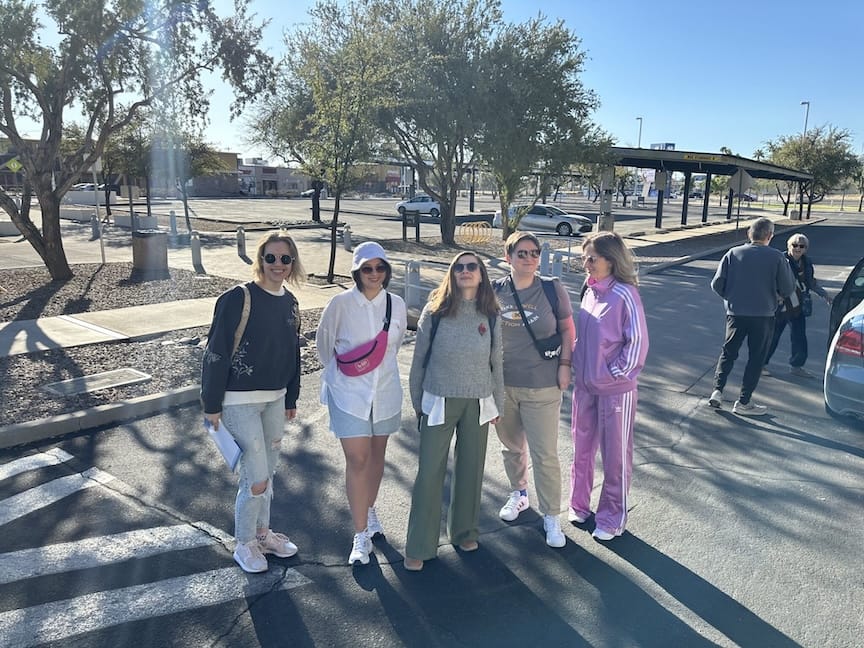
Watson said the dinner is a great way to learn more about the alliance while also helping sustain its mission to support international visitors after what has proven to be a challenging year.
In 2024, the group hosted 124 visitors, with group sizes varying depending on the subject matter and country of origin.
But during October’s federal government shutdown, programming abruptly ceased.
“We didn’t know if the funding was going to be there, and there were so many people on layoffs and leave that they couldn’t handle the volume,” Watson said. “Now, people are back to work, but along with that, there were shifts in responsibilities. Some areas closed down, others moved and the people changed, so getting them up to speed has taken some time.”
In her 16 years with the alliance, Watson has seen shifts in the locations from which visitors come, as well as the type of visits, based on the presidential administration.
“You can tell by the programming where the focus of the government is. When Hillary (Clinton was Secretary of State,) we saw a lot of Middle Eastern visitors. We don’t get nearly as many now,” Watson said. “In the first Trump administration, we didn’t get any because of travel restrictions. Now they can come, but it’s different and getting visas isn’t easy.”
In addition to raising funds to support their work, the alliance is also looking to grow its membership and volunteer base.
“It’s a wonderful opportunity to meet with international visitors, share knowledge and absorb knowledge from them,” Watson said. “And the visitors take home things they can use in their own lives.”
Other opportunities for members include serving as a home host for a meal or event, organizing activities for visitors, handling administrative or office tasks and serving as a board member.
“We share the same worries and we’re more alike than different,” Watson said. “What this program does is allows them to see us as people rather than just our government.”
Caitlin Schmidt is Editor and Publisher of Tucson Spotlight. Contact her at caitlin@tucsonspotlight.org.
Tucson Spotlight is a community-based newsroom that provides paid opportunities for students and rising journalists in Southern Arizona. Please consider supporting our work with a tax-deductible donation.