South Tucson cuts grocery tax to fight food insecurity
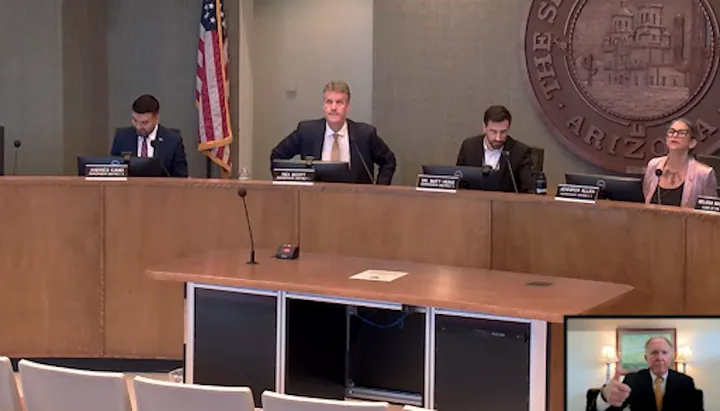
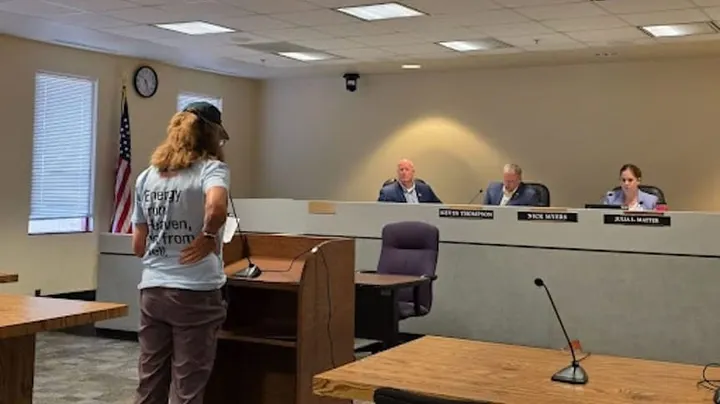
South Tucson City Council voted 5-2 to eliminate its tax on groceries, hoping to ease rising food costs for residents and attract new grocery stores after the closure of the neighborhood's only Food City.
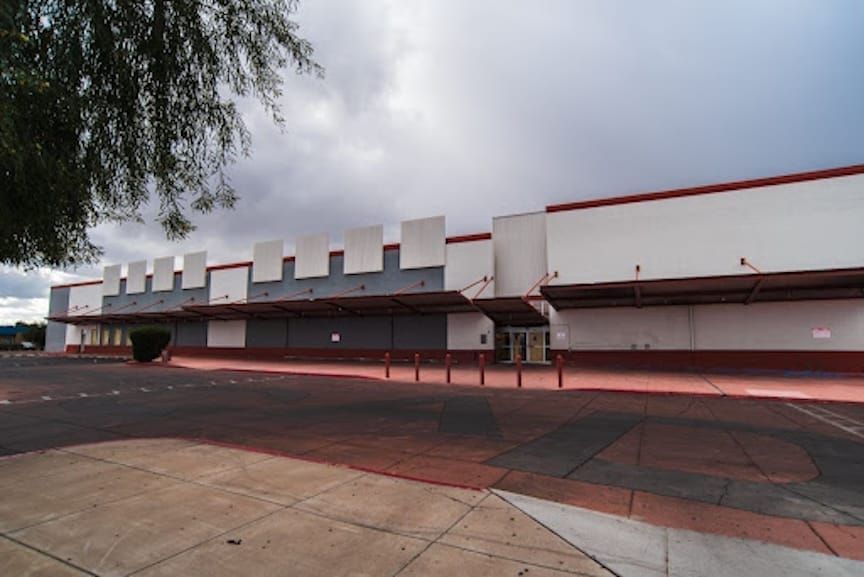
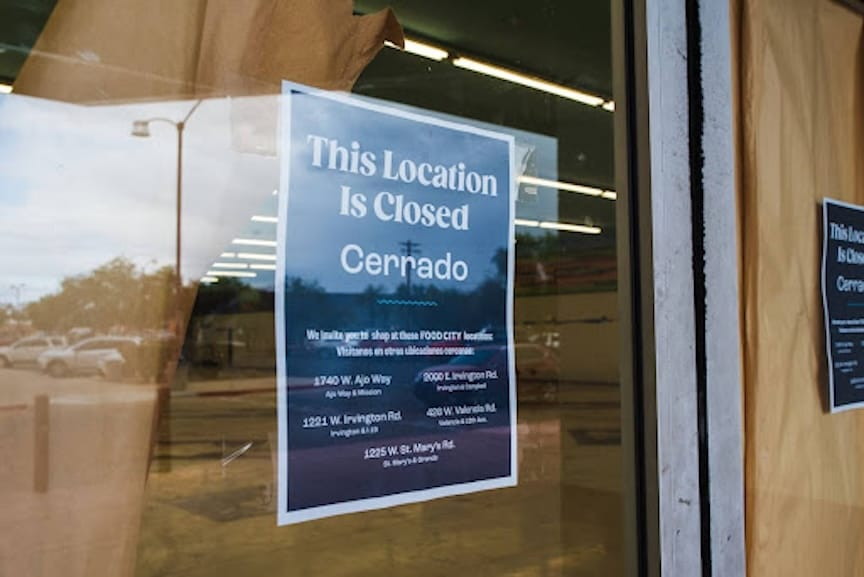
South Tucson is eliminating its tax on groceries, a move supporters hope will ease the burden on residents already struggling with rising food costs and lure new grocery stores to a neighborhood still reeling from the recent closure of its only Food City.
The tax on "food for home consumption" is a city revenue source separate from regular sales taxes. The city approved its elimination April 7 by a vote of 5-2.
Council Member Cesar Aguirre said the property manager has struggled to attract a new tenant to the former Food City location since its October closure because operating costs are too high for most chains.
Aguirre said he is also concerned that rising food prices — beyond the council's control — are driving up hunger in the city.
"I know numerous people in our community who are now struggling to get access to food, and that is very concerning," Aguirre said.
Aguirre and Council Member Brian Flagg agreed that eliminating the city's grocery tax would not only ease the burden on residents but also incentivize more grocery stores to open in South Tucson.
"I think we've discussed this before. We need to be proactive in doing things to attract businesses," Flagg said. "Especially a grocery store."
Acting Mayor Pablo Robles echoed Flagg's sentiments.
"I think that this is definitely worth doing," Robles said. "The property manager mentioned that (the city tax) is one of his biggest quagmires as far as negotiations."
Vice Mayor Melissa Brown-Dominguez was one of two dissenting votes, along with Council Member Paul Diaz.
She said current budget projections from both in-house and independent analyses suggest South Tucson will face a $2 million deficit by 2031.
Given the projections, Dominguez said she is hesitant to reduce the city's revenue.
"I agree with everyone here, we all want to pay less," Dominguez said. "But I think moving forward with this elimination would be premature."
She suggested waiting and gathering more information first, arguing that one property manager's difficulty finding a tenant is not enough evidence that eliminating the tax would bring more grocery stores to South Tucson.
"I think it would be fiscally irresponsible of us to make this decision without knowing with certainty that we have an identified revenue source to replace this one," Dominguez said.
Aguirre acknowledged the concern but framed the issue differently.
"Normally, I would totally agree with the Vice Mayor," Aguirre said. "I feel like this is less of a revenue issue and more of a needs issue for our community."
The budgeting office will work with the council to offset the loss as part of its broader efforts to rebalance the budget.
Quentin Agnello is a University of Arizona alum and freelance journalist in Tucson. Contact him at qsagnello@gmail.com.
Tucson Spotlight is a community-based newsroom that provides paid opportunities for students and rising journalists in Southern Arizona. Please consider supporting our work with a tax-deductible donation.