SNAP-Ed cuts force South Tucson’s Garden Kitchen to scale back
Federal SNAP-Ed funding cuts forced South Tucson’s Garden Kitchen to scale back programs while continuing to serve Pima County communities through food and education.
When federal nutrition education funding was abruptly cut this fall, a South Tucson kitchen and garden that serves thousands of Pima County residents was forced to scale back, but not shut down.
The Garden Kitchen, long known for bringing affordable food, hands-on education and wellness programs into neighborhoods and classrooms, is now reworking its model to survive without Supplemental Nutrition Assistance Program Education support.
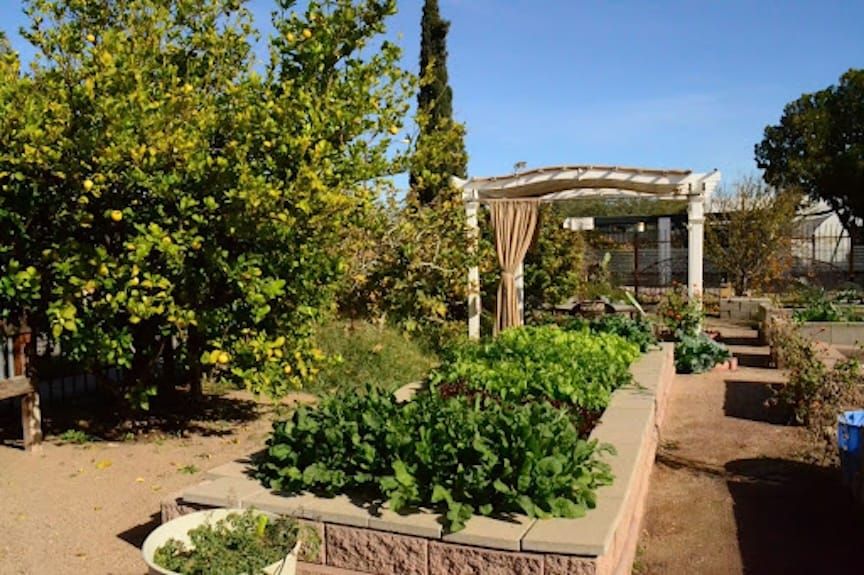
The Garden Kitchen is a seed-to-table whole-health education program of the University of Arizona Cooperative Extension, established in partnership with the City of South Tucson and Pima County to increase food security, promote healthy choices and connect community members through gardening, cooking and wellness education. It's located at South 4th Avenue and East 32nd Street.
SNAP-Ed is a federally funded program that provides nutrition education and promotes healthy food choices and physical activity for low-income individuals and families. The program’s funding was cut Sept. 30 after the federal government allowed its authorization to lapse, effectively shutting down the education component even though SNAP food benefits continue.
As a result, states and local organizations that relied on SNAP-Ed funds for nutrition education, gardening and wellness programs lost that support and were forced to reduce or eliminate services.
Start the year by funding journalism that serves our community
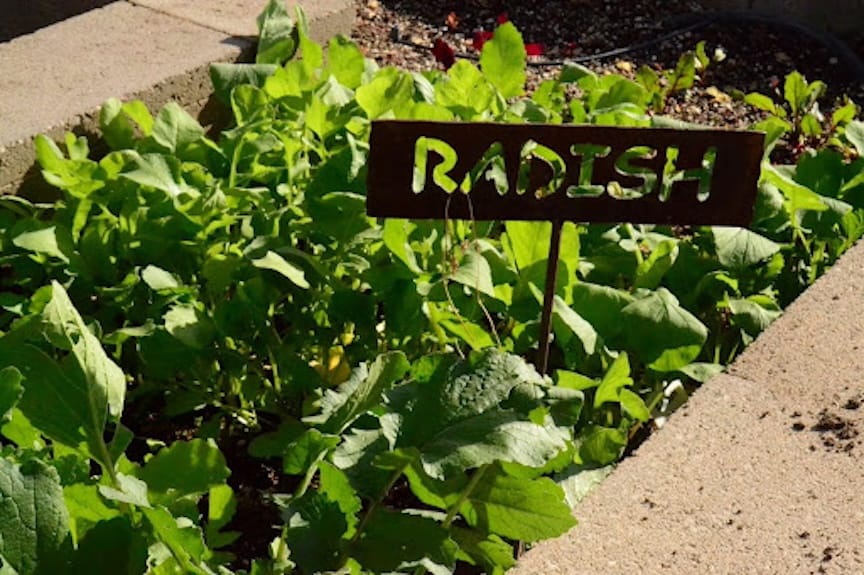
As Garden Kitchen staff roles shift and key programs pause, the organization is pressing forward in hopes of sustaining its mission and reconnecting with the community it serves.
The kitchen's mission to “empower Pima County residents to build community wellness and make healthier choices through food, fitness and gardening education.”
Its programming includes the Plaza Mobile Market, which operates at local libraries twice a week to provide affordable produce to the community, as well as cooking and gardening classes designed to teach attendees how to grow their own ingredients at home.
Another component of The Garden Kitchen was its Early Childhood Program, which ended after the loss of SNAP-Ed funding. The program was an immersive opportunity that sent Garden Kitchen staff members to Pima County classrooms to offer young students nutrition education and empowerment, physical activity integration and gardening demonstrations.
The program also offered family and caregiver cooking classes, as well as professional development for teachers.
“For early childhood, we had at least 18 centers that we were working with across Pima County, and then each classroom has anywhere from 20 to 100 kids, depending on the center. Some centers had five classrooms, some have just one, and plus those caregivers,” said Veronique Villalba, who previously served as a program facilitator. “So many lives we were affecting and touching, and now all of that just doesn't exist.”
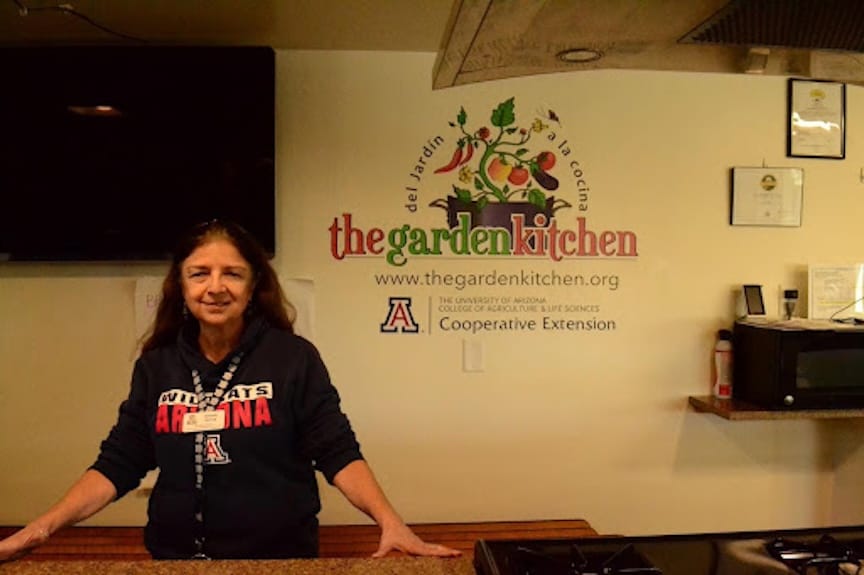
The funding decrease also led to staffing cuts and changes. Villalba now spends 10 hours a week at the kitchen completing tasks while taking on a new role as program coordinator for the UA Cooperative Extension Master Gardener program.
After losing four staff members, the remaining team shifted its focus to finding other funding sources while continuing to operate its remaining programs.
“My primary role right now is in a supportive role,” said Glenda Garcia, program coordinator for The Garden Kitchen. “We were fortunate to get a little funding that's going to help us get through until August of 2026, and then we were recently awarded funding by the Pima County Health Department as part of its Opioid Settlement Grant. That's going to also keep us through until next December, and then hopefully we'll see if they'll renew it after that.”
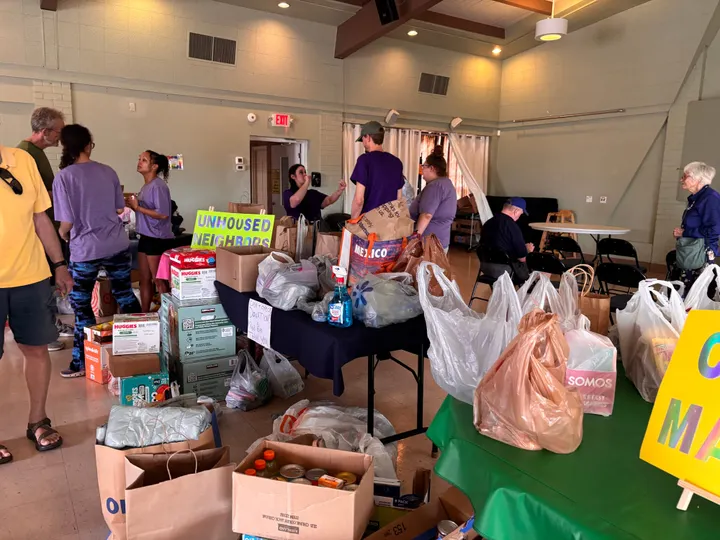
While the search for funding continues, the kitchen is accepting donations and offering cooking classes to help raise money. It is also seeking volunteers and donated supplies, including paper towels, as well as anyone willing to provide a truck to help with transportation.
“We would really love to be back out in the community and providing what we used to be able to provide. We were able to provide culinary classes, nutrition classes, physical activity and all of that free of charge to the community,” Garcia said. “I think that's really been the biggest negative impact that this has brought about, is that we were not able to get back out there. We’re not able to do for the community and with the community like we had been before.”
Ambur Wilkerson is a freelance journalist based in Tucson and a holds a master’s degree in journalism from the University of Arizona.
Tucson Spotlight is a community-based newsroom that provides paid opportunities for students and rising journalists in Southern Arizona. Please consider supporting our work with a tax-deductible donation.