Rio Nuevo funds downtown projects despite deficit
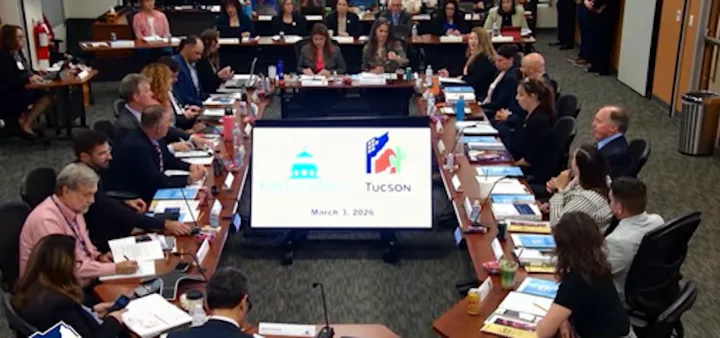
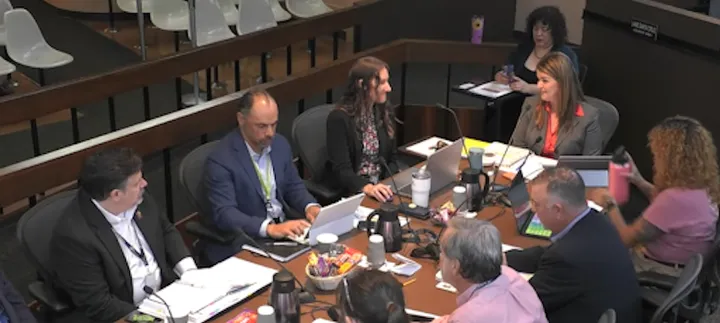
The Rio Nuevo Board approved funding for several projects at its March 10 meeting, despite a revenue shortfall that has left the district with about 10% of its expected income this fiscal year.
Despite a revenue shortfall that has left it with a fraction of its expected income this fiscal year, the Rio Nuevo Board approved funding for several downtown projects at its latest meeting.
Rio Nuevo is a state-created tax increment finance district that reinvests a portion of downtown Tucson's sales tax revenue into redevelopment projects. For the fiscal year ending in June, the board was expecting around $4 million in income, but projections show it will likely bring in only about 10% of that, impacting its ability to fund projects in the short term.
The board discussed the issue during its March 10 meeting in an effort to determine the root cause of its recent and persistent revenue deficit.
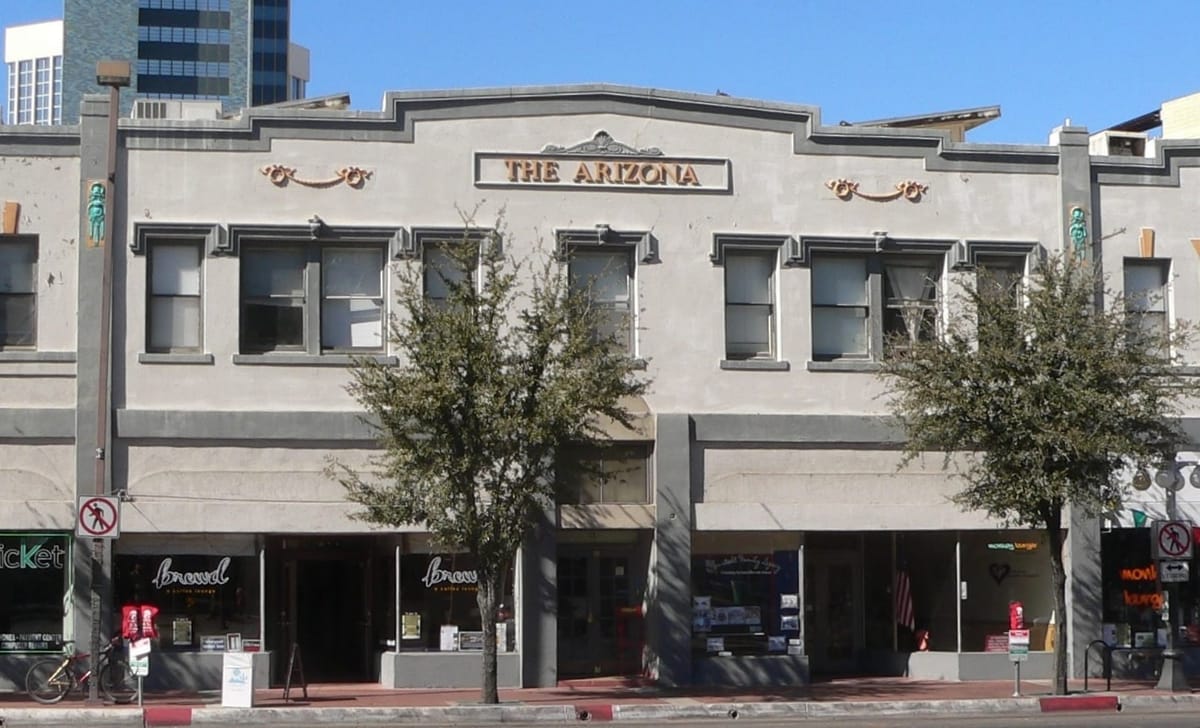
Despite the financial uncertainties, the board is considering whether to pursue a Government Property Lease Excise Tax agreement for the Arizona Hotel, a historic property located across from the Ronstadt Center, with a proposed $1.2 million rebate cap.
Developer Marcel Dabdoub, who invested $2.7 million in renovations in the hotel in 2017, is seeking previously approved but unsigned tax rebates to support plans for the revamped Hotel Arizona and its accompanying food and retail concepts with Lucky Penny.
The agreement would require an independent economic impact study and public disclosures to demonstrate net public benefit. The board is expected to revisit the proposal later in the month, beginning a monthslong approval process.
The board also discussed its potential involvement with Brock Lynch, founder and operator of the Open Container Hospitality Group and the Lucky Penny Concept.
Lynch came to the board in February with plans to open a Sonoran-inspired barbecue restaurant and patio, a coffee shop and Hotel Arizona. Part of the overarching Lucky Penny Concept, these projects will involve relocating bathrooms and plumbing, adding new flooring, bartops and air conditioning, and cleaning up the property at 47 N. 6th Ave.
The Lucky Penny restaurant and patio will feature a Southwest-inspired atmosphere paying homage to the Sonoran vibe of Tucson. Lynch said the patio is one of the establishment's major components and can be used for yard games and outdoor dining. The restaurant and patio will be located adjacent to the hotel, giving guests direct access to its offerings.
On the opposite side of the building from Lucky Penny, Lynch proposed adding Bonanza Coffee Co. Despite being just over 600 square feet, Bonanza will transcend the traditional early morning and early afternoon coffee shop model by staying open late.
Beyond coffee, the cafe will serve nonalcoholic beverages and feature a stereo system and rotating DJs, further leaning into the Sonoran Desert vibe.
Both the restaurant and coffee shop will be part of a greater hospitality ecosystem that includes the Hotel Arizona. The space currently houses the Arizona Hotel, which was built in 1913 and comprises 15 individual short-term rental units. Lynch's goal is to create an environment within the building that allows guests to move freely from one concept to another without leaving the premises.
The final piece of the Lucky Penny Concept as proposed by Lynch is the activation of the alleyway between North 6th and North Scott avenues. With plans to make it more of a pedestrian walkway, the developer said repurposing the space would be a great addition to existing downtown cleanup efforts.
Lynch's ask, which was adjusted from previous meetings due to the board's financial situation, included $230,500 in cash to help fund the restaurant and cafe's construction, as well as $9,000 for the alleyway activation.
 Ahva Ghazanfari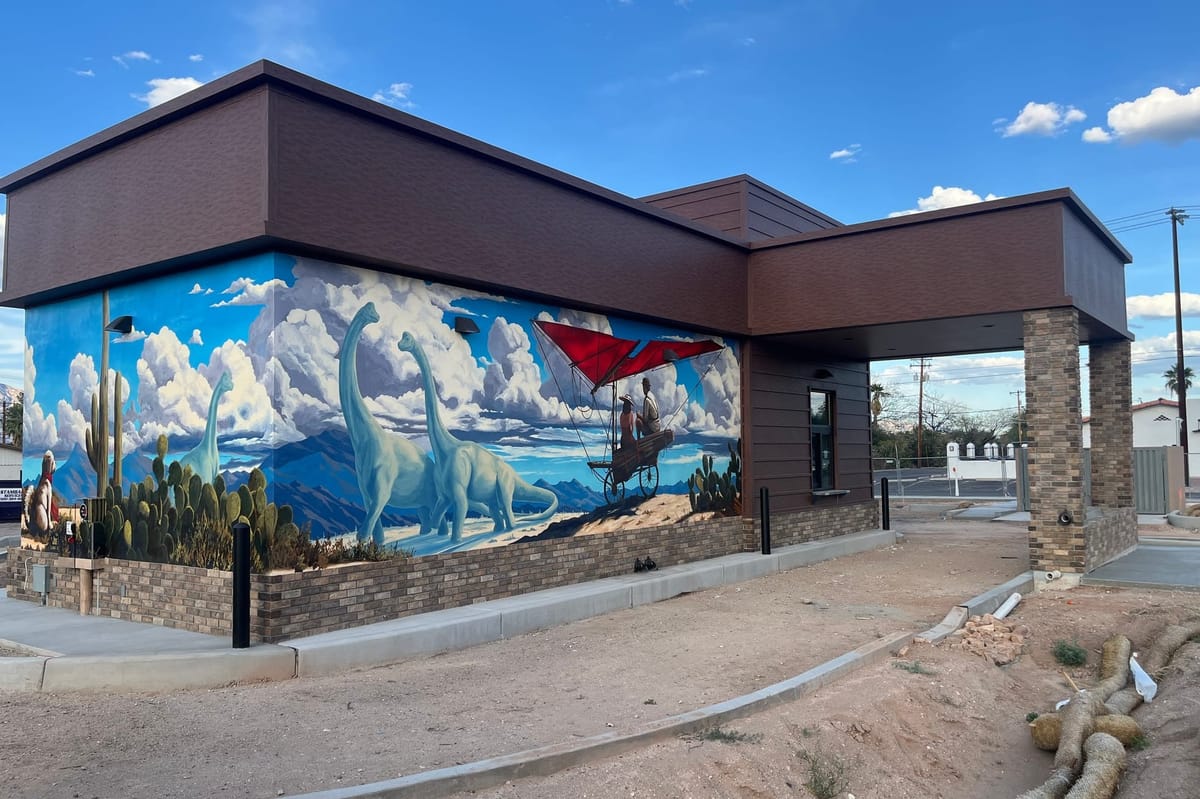
With no action taken on the project during the past two meetings, Lynch expressed hope for an approval this time around.
"We're really hoping we can come to an agreement," he said. "We think this is a unique opportunity to open a new concept that would hopefully be really welcomed in Downtown Tucson."
Several board members suggested Lynch drop the alleyway from his request given the board's financial situation, and he agreed. The board then unanimously approved the remaining funding.
"We have high hopes for this project," Chairman Fletcher McCusker said after the vote.
The board also discussed the potential acquisition of 14 vacant parcels on the north side of Broadway, with the City of Tucson having offered the properties to Rio Nuevo to promote their activation.
The board unanimously approved McCusker executing the exchange that would title the properties to the district, with next steps including soliciting proposals from developers interested in purchasing the parcels.
The board also returned to its discussion of involvement with Obie Companies of Eugene, Oregon, on a property at 75 E. Broadway Blvd.
Obie's plans to turn the property into an inn and marketplace are still underway, with the intent to include five floors, 125 rooms, multiple retail outlets throughout the lobby and the adjacent alley, as well as a rooftop restaurant and cocktail pool.
"It's not about just building a hotel; it's about what we're bringing to Tucson and how we're making it a community center," said Irene Alltucker, vice president of real estate at Obie.
The land on which the Tucson Inn and Marketplace will be located is currently owned by the county, with board members saying it is important that Rio Nuevo own the land because of its ability to incentivize developers.
The board's plan is to acquire the land from the county at its $3 million appraised value and then turn it over to the developers. The exchange is likely to be approved at the board's next meeting.
The project also carries broader implications for Tucson's standing. In the past year, the city ranked last among 11 markets studied by the auditor general in hotel capacity to support its convention center. Obie's development could help move Tucson closer to the median.
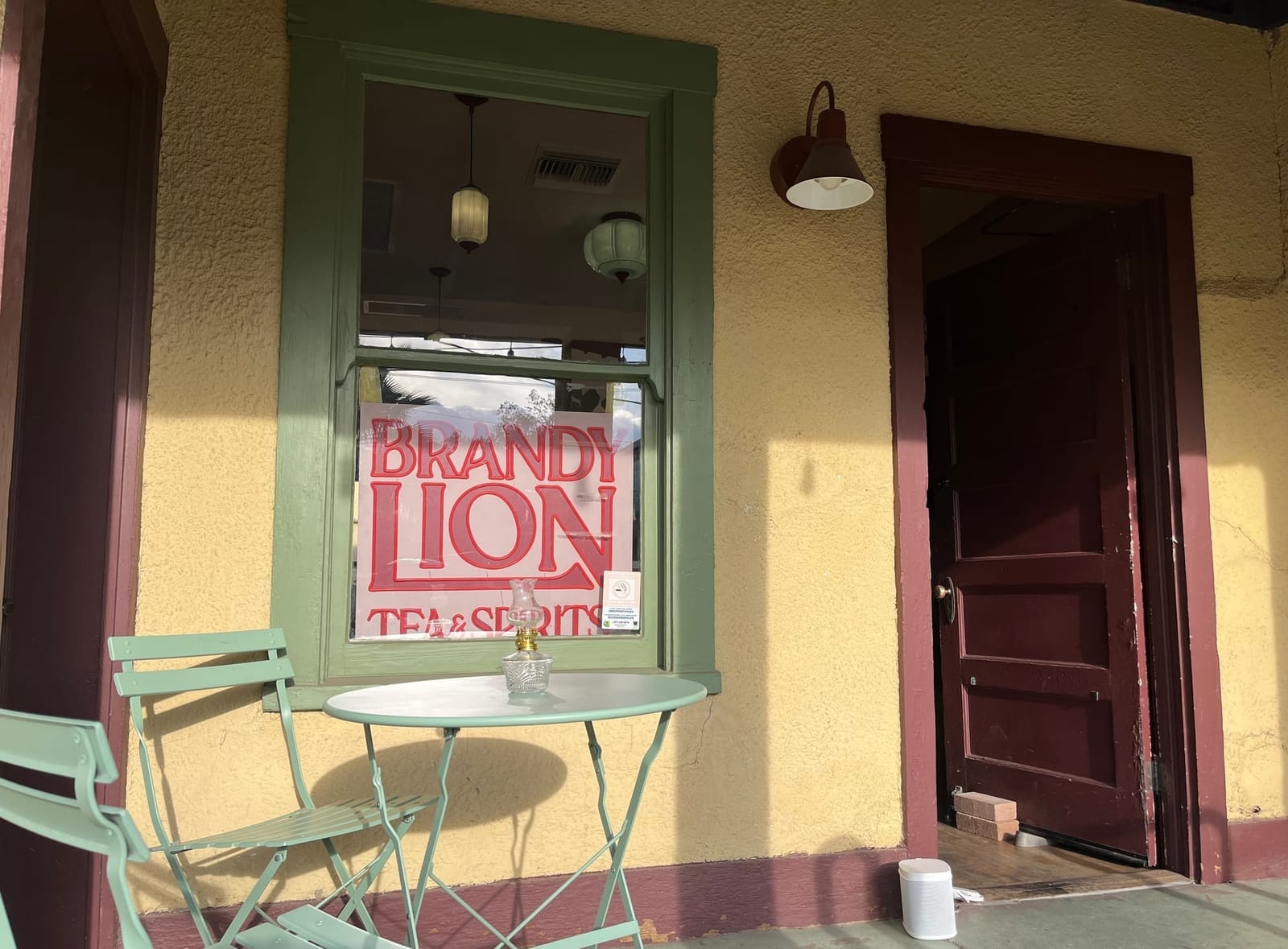
The last item on the agenda was the board's property at the El Presidio Museum. The duplex used to be a cafe but has recently been transformed into a bar and tea house that is now open and operating.
Amy Hartmann-Gordon, the museum's executive director, asked the board for a reimbursement of 50% of the total amount spent on renovations to the space, which would be $14,807.
The board unanimously voted to fulfill Hartmann-Gordon's request.
Ahva Ghazanfari is a University of Arizona student and Tucson Spotlight intern. Contact her at ahvanghazanfari@arizona.edu.
Tucson Spotlight is a community-based newsroom that provides paid opportunities for students and rising journalists in Southern Arizona. Please consider supporting our work with a tax-deductible donation.