Plant-Stravaganza returns to Tumamoc Hill
Plant-Stravaganza returns to Tumamoc Hill on March 7, bringing University of Arizona Desert Laboratory researchers and local groups together for a free Sonoran Desert sustainability event.
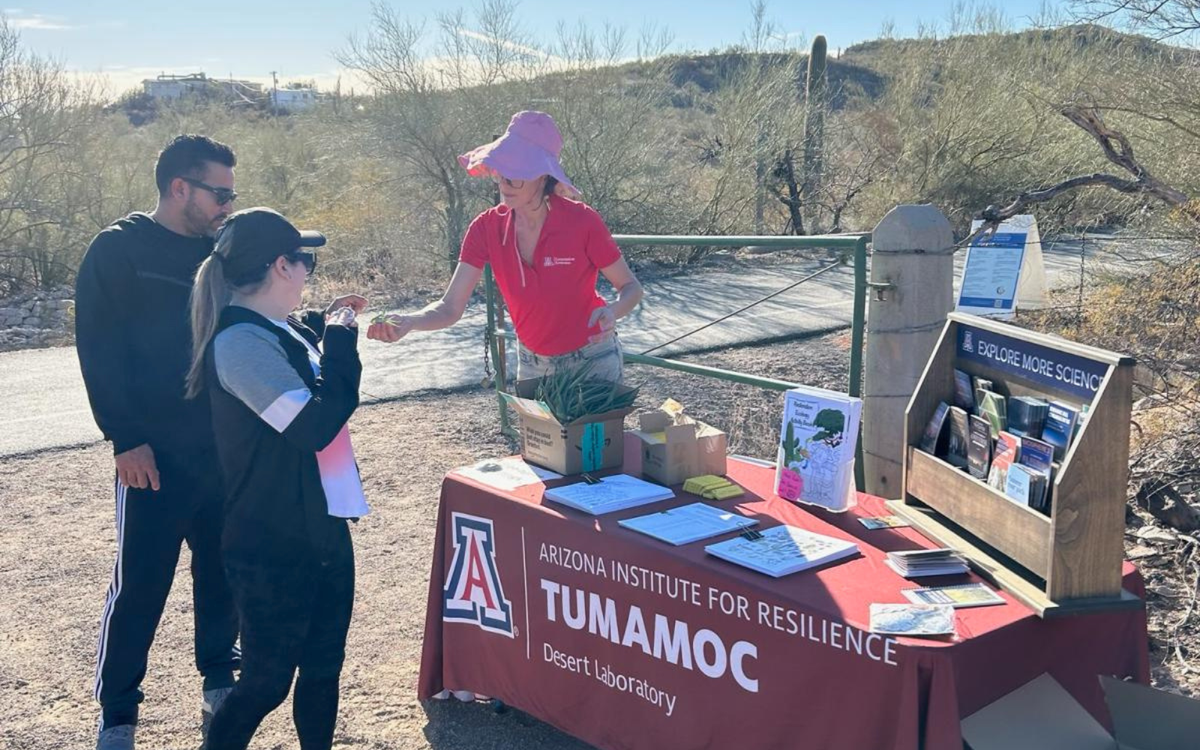
The University of Arizona’s Desert Laboratory will open its gates Saturday for Plant-Stravaganza, a free community event at Tumamoc Hill designed to connect Tucson residents with the science of desert plants and sustainable living.
The second annual Plant-Stravaganza aims to bridge the gap between high-level ecological research and practical desert living. It will run March 7 from 8 to 11 a.m.
Held at the Tumamoc Historic Boathouse at the base of the hill, the free event will also serve as a community expo for Sonoran Desert sustainability.
Organized in collaboration with the Pima County Master Gardeners, the gathering will bring together more than a dozen plant-focused organizations to provide community members with technical expertise on horticulture, conservation and arid-land survival.
“The idea is to provide an event where people can come and learn about the ecology of plants in the Sonoran Desert,” said Dr. Elise Gornish, an associate professor of restoration ecology and the faculty director of the Desert Laboratory. “It’s all about the scientific and ecological background of the plants and how they work with each other.”
Unlike traditional academic lectures, Plant-Stravaganza is designed as a hands-on resource fair.
Program Coordinator Erin Tanaka said the event is a vital entry point for the public to engage with the laboratory’s mission.
“It’s always fun to come down on a Saturday morning and see the community out and about, having fun at our events,” Tanaka said.
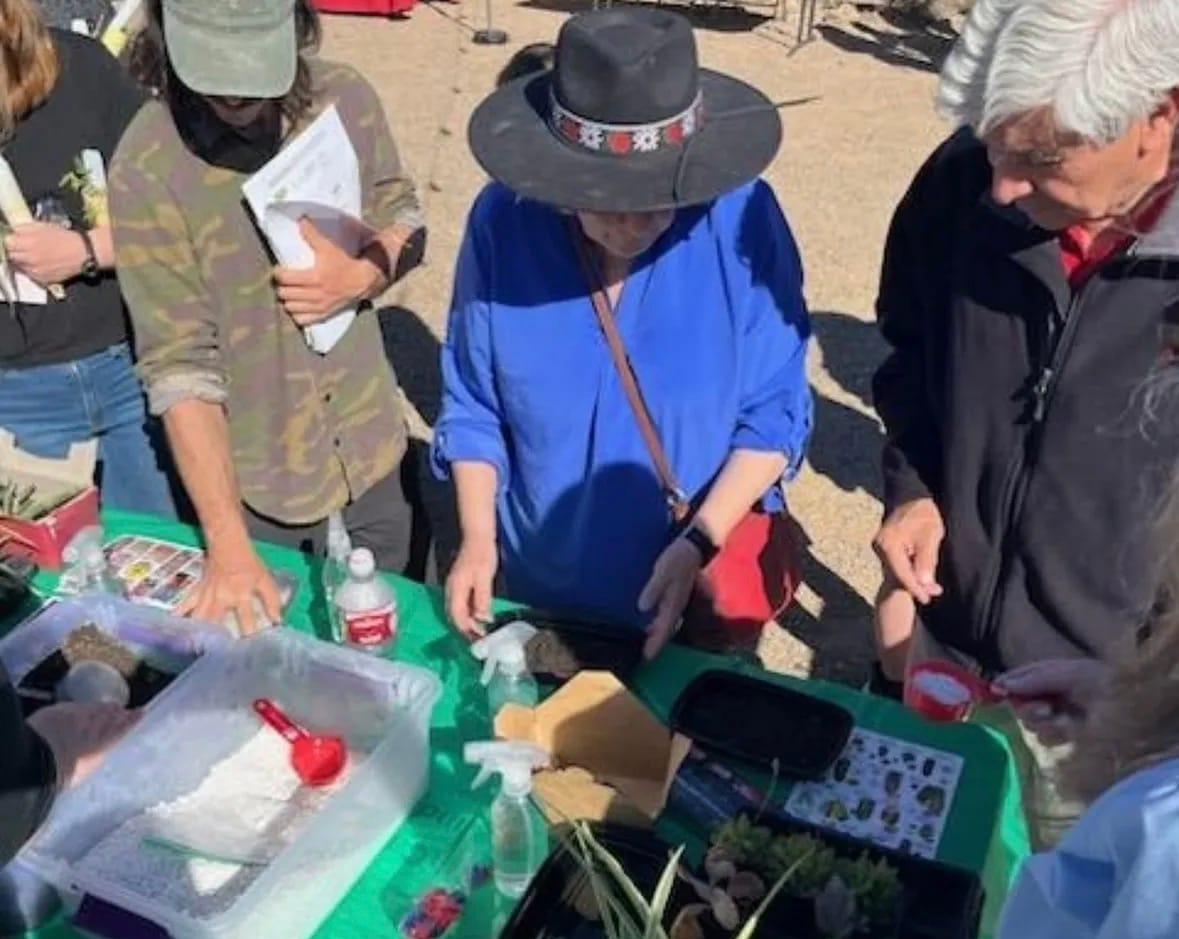
Plant-Stravaganza will include several interactive stations, including composting and horticulture demonstrations, a seedball workshop and a community plant swap, which typically brings in locals to explore botanicals to take home.
Experts will be on-site to answer technical questions regarding soil health and water-efficient landscaping in a dry climate.
“Anybody can learn about the signs done on the hill and the ecology of the Southwest without having to be a science major or someone who has that background,” Tanaka said. “We want to let others know about what’s being done at the laboratory up on the hill.”
Organizers chose the Historic Boathouse as the venue as a nod to the laboratory’s century-long history. Built in the early 1900s, the building now serves as a cultural and educational hub.
“It’s basically the birthplace of formal desert ecology research. The fundamental facts we’ve learned about the desert and how it works were developed here through studies,” Gornish said.
As Tucson faces record-breaking summer temperatures and shifting monsoon patterns, the event’s focus on native flora is more than aesthetic, Gornish said. Organizations including Saguaro National Park and local conservation groups will highlight how native plants provide critical cooling and support for local pollinators.
By hosting the event at the bottom of Tumamoc Hill, rather than at the summit research facilities, organizers aim to keep the program accessible to all visitors, including those who may not be able to make the 1.5-mile trek up the steep incline or who simply want to enjoy the sights of Tucson’s natural landscape.
“You come when you want, you leave when you want, come as you are, learn, spend as much time, or little time, to take in and learn what you like. The walkers can come and go as they please without detracting them from why they came to Tumamoc in the first place,” Gornish said.
The event is open to all ages, with specific activities designed to engage younger attendees in desert ecology. Attendees are encouraged to bring healthy desert plants or seeds to trade.
Isabel Vidrio is a journalism major at the University of Arizona and Tucson Spotlight intern. Contact her at vidrioi@arizona.edu.
Tucson Spotlight is a community-based newsroom that provides paid opportunities for students and rising journalists in Southern Arizona. Please consider supporting our work with a tax-deductible donation.