Oro Valley approves state-funded police drone program
Oro Valley approved nearly $146,000 in state funding for police drones, sparking debate over privacy, oversight and border enforcement.
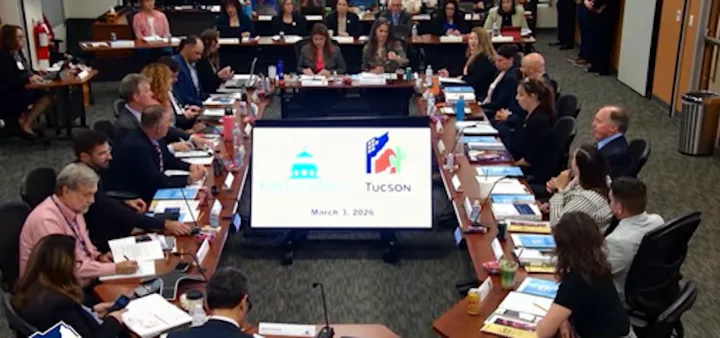
The Oro Valley Town Council unanimously approved an agreement to accept nearly $146,000 in state funding for police drone leases tied to border-related crime enforcement, prompting debate over privacy, oversight and the town’s role in border security.
The Oro Valley Police Department applied for the state’s Border Support Grant in August, requesting a larger amount despite the town not being a border community.
The state created the grant to fund Drones as First Responder programs aimed at combating human trafficking, border smuggling and illegal immigration.
Town officials said immigration enforcement was not referenced in the grant application and that the drones would instead be used for in-progress crimes within the town and for lower-priority calls.
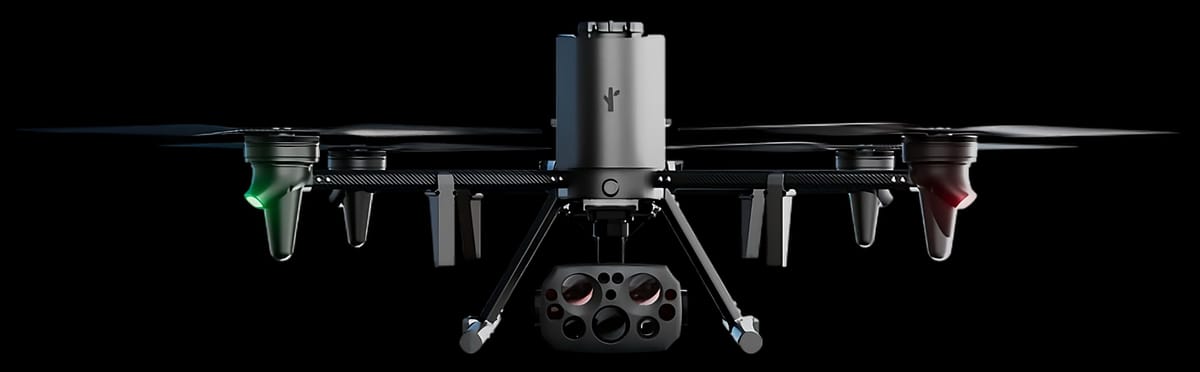
The grant will be used to lease drones from Flock Safety, a controversial police technology company, to expand the town’s existing drone program, with units stationed at two locations within town limits to maximize coverage. Each site will house two drones, allowing one to operate while the other charges.
The council also authorized the police department to operate outside the town’s jurisdiction for these purposes.
The police department’s policy for drone footage mirrors its body-worn camera policy, limiting use to law enforcement purposes and prohibiting surveillance. The footage would be stored in the town’s existing evidence system and accessible only to authorized law enforcement personnel, with the town retaining control over the data.
Oro Valley Police Department Lt. Kevin Peterson told the council during its Jan. 28 meeting that the town has been affected by border-related crimes, particularly fentanyl smuggling. He said the program is not intended for surveillance, but to help apprehend suspects and improve officer safety.
“I’ve been here almost 18 years and I can honestly say that this project is probably the one I’ve been the most excited about,” Peterson said. “I really think it can revolutionize the way we respond and make our communities safer and our officers safer.”
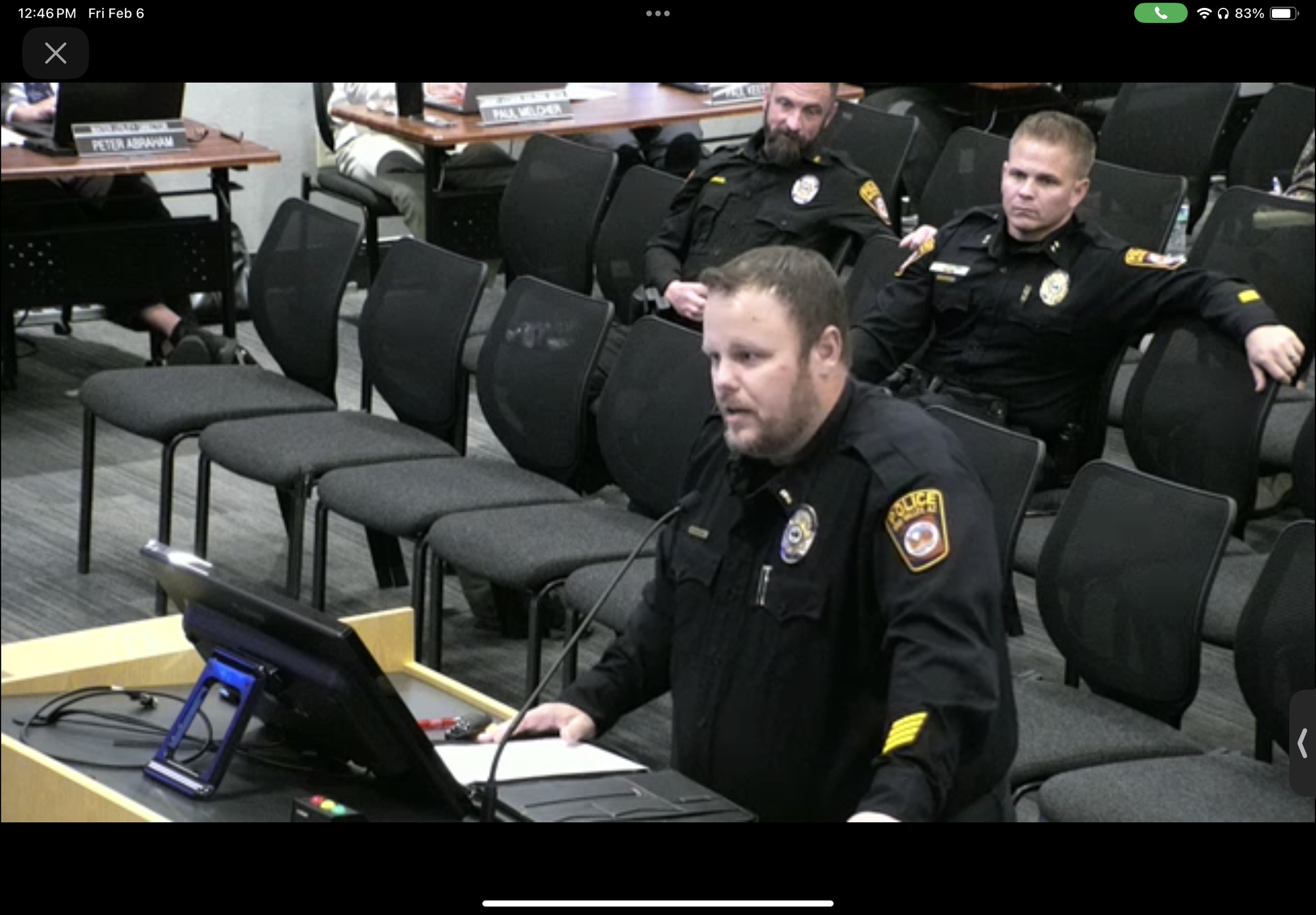
Peterson said the program’s biggest benefit would be faster response times, noting that in other agencies drones often arrive on scene before officers about 70% of the time, providing situational awareness and an elevated view to locate fleeing suspects. He added that the drones are equipped with thermal imaging, which can also be used by the fire department to see through smoke during fires.
Peterson said the grant does not change Oro Valley’s role in border enforcement or involve cooperation with Immigration and Customs Enforcement or Customs and Border Protection. He added that the drone cameras would remain deactivated until needed to avoid capturing unnecessary footage.
“I want to acknowledge that there is a heightened concern right now about privacy and federal involvement in local policing,” said Mayor Joe Winfield. “My goal tonight is to make sure that the public clearly understands what this item does, what it does not do and what safeguards are in place.”
Oro Valley resident Sean Glaser spoke at the meeting, urging the council not to consider the policy until a thorough privacy impact assessment had been completed and voicing concerns about directing town tax dollars toward securing border regions outside the town.
He said the grant had been promoted as a tool for finding missing persons, which he described as “mission creep,” given that the funding is earmarked for border security.
“This item is presented as routine housekeeping. Simply accepting grant money to purchase drones for the police department,” Glaser said. “By voting for this, you’re not simply signing a check. You’re signing a contract that will fundamentally change the relationship between the town of Oro Valley and the people of Oro Valley.”
Winfield asked what oversight measures the town has in place if concerns about drone use arise in the future. Peterson said the department will maintain a flight log documenting each drone’s flight path and time in the air.
The town’s grant does not cover Peterson’s estimated cost of $850,000 for the program over three years.
Deflock Tucson, a local surveillance advocacy group, raised concerns about the town’s history with surveillance technology, citing a public records request that showed Oro Valley used Flock Security’s Falcon cameras to flag an individual as a protester.
Ian Stash is a journalism major at the University of Arizona and Tucson Spotlight intern. Contact him at istash@arizona.edu.
Tucson Spotlight is a community-based newsroom that provides paid opportunities for students and rising journalists in Southern Arizona. Please consider supporting our work with a tax-deductible donation.