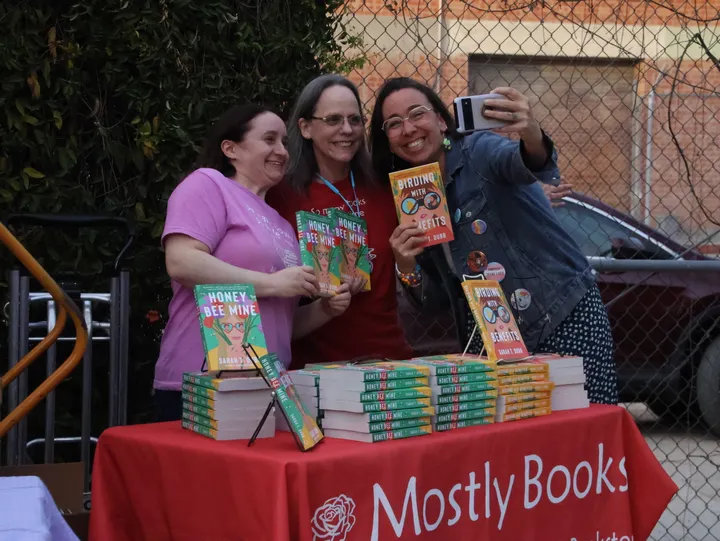
Goat Fest brings goats, games and community fun to Tucson
Goat Fest is happening Saturday and includes a petting zoo, food, games and workshops while raising funds for Just Communities Arizona’s work building safer neighborhoods.
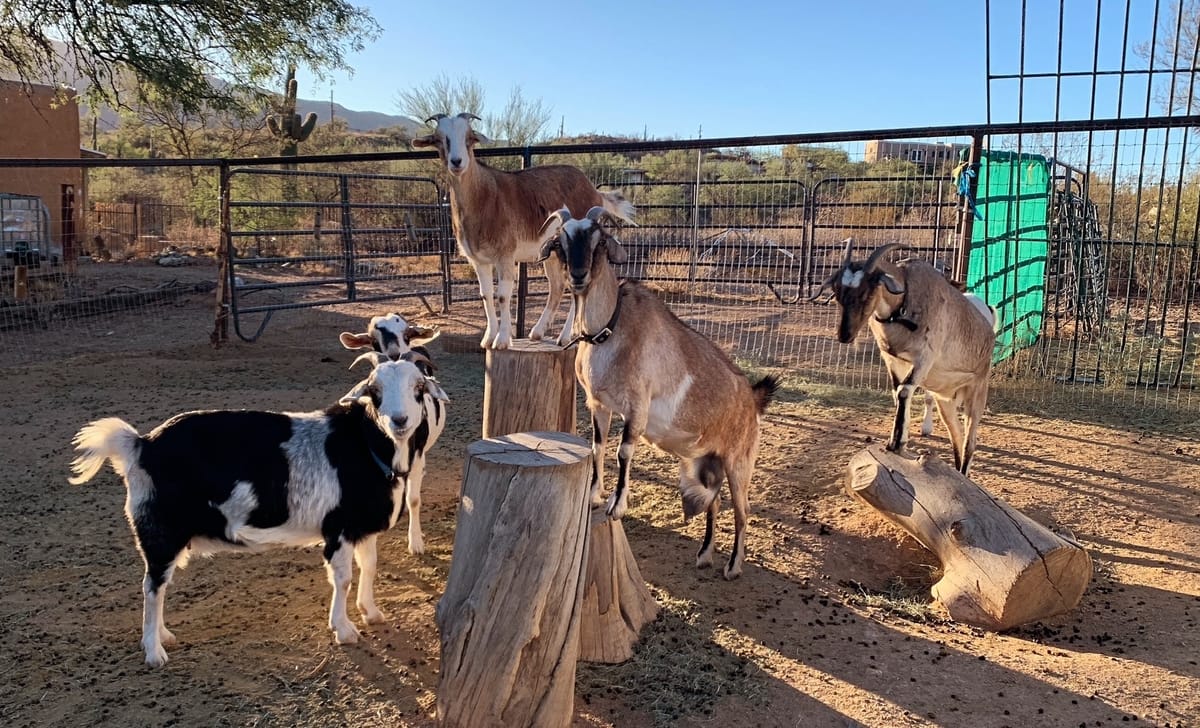
Goats, music and community workshops will headline Goat Fest this Saturday, a fundraiser supporting Just Communities Arizona’s work to build safer neighborhoods.
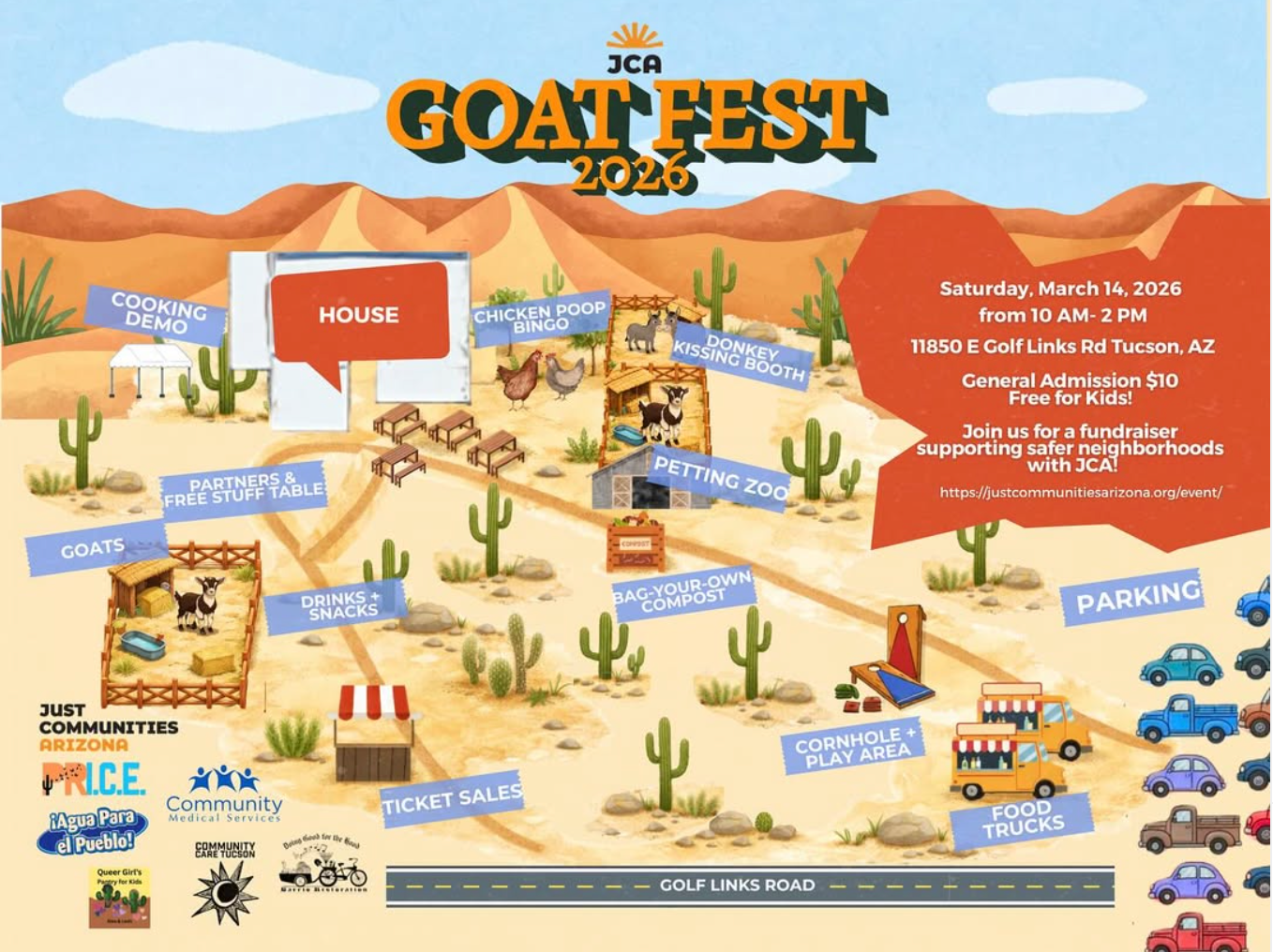
Goat Fest will take place from 10 a.m. to 2 p.m. Saturday, March 14 at 11850 E. Golf Links Road. The family-friendly fundraiser will feature a petting zoo, face painting, games, prizes, food, drinks and live music while giving attendees a chance to learn about community safety efforts and ways to get involved in their neighborhoods.
Just Communities Arizona works to create, foster and resource new models for safety and justice outside the punishment system. The group began in 1980 as a branch of the American Friends Service Committee before establishing itself as an independent organization in 2022.
Director Caroline Isaacs has advocated for ending mass incarceration for more than 20 years, pushing for criminal justice policies that go beyond punishment. She also advocates for improved conditions in correctional facilities.
“Police and prisons and jails don't really help us that much,” Isaacs told Tucson Spotlight. “We try to expand what safety looks like beyond punishment. And the bedrock of that is relationships with other people.”
Isaacs said the idea for Goat Fest came from seeing how strongly people respond to being around animals, which she believes help people feel safe and connected to one another. She noted that children at community events often draw their families and pets when asked what makes them feel safe.
One way JCA works to foster safety is through its Community Safety Incubator Project, a grassroots initiative that allows neighborhoods to develop their own approaches to creating safe, connected spaces without relying on traditional security measures.
“Safe communities are thriving communities, as we have seen by that level of investment which has been left behind,” Isaacs said. “We wanted to change the focus from this sort of policy level stuff, to what everyday people in their own communities can do to make each other safer.”
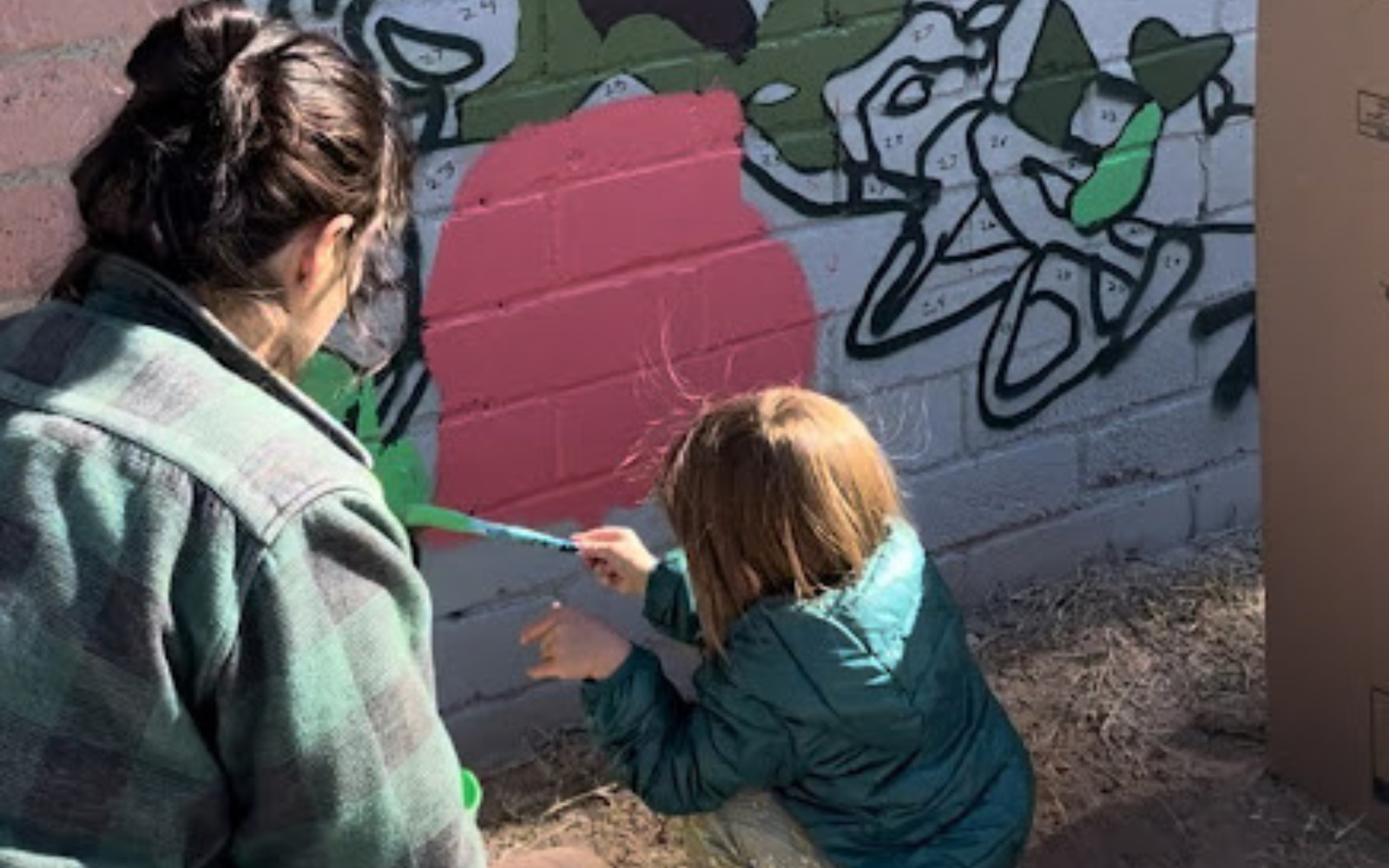
Some of the projects have included community murals, cooking classes, neighborhood cleanups and gardening.
JCA is also working on a project with the Pascua Yaqui Tribe that will include tree planting to support the cultural tradition of the deer dance, a ceremonial performance central to Yaqui culture that tells the story of a deer being hunted and represents the relationship between people, animals and the natural world.
“The story that we are told is that you need to be safe from other people. There are these bad guys out there and that safety is safety from people,” Isaacs said. “If you think about your actual life when you’ve been more safe, safety is with and through relationships with other people. No one can be safe all by themselves.”
One of JCA’s goals is to teach people how to build trusting relationships and get to know their neighbors to create safer communities.
“Safety is having food to eat and a place to sleep at night,” Isaacs said. “When you have trusting relationships with people, get to know your neighbors and their kids' names to make sure they’re okay, that's safety.”
To support those goals, JCA plans to host workshops that teach practical skills people can use to keep themselves and their neighbors safer while building stronger connections in their communities.
“We found that people want to know how you get to know your neighbors,” Isaacs said. “We are really not encouraged to do that, and most of us don't. It feels weird. The root of safety is community.”
JCA also helps people navigate more serious issues, including how to help someone experiencing a mental health crisis and conflict resolution.
“What we can do when there are real serious issues happening besides calling the police. There are other options that some people don't know,” she said.
JCA’s services, including its incubator projects, are meant to give people skills and access to knowledge to “reverse some of that isolation we are all suffering from,” Isaacs said.
That goal is reflected in Goat Fest, where JCA is collaborating with local organizations to help attendees connect with one another and the broader community.
The Special Eats Sweets food truck, which empowers individuals with special needs through employment, will be serving up sweet treats, and Queer Girl Pantry will host a cooking class and provide attendees with take-home recipes. Queer Girl Pantry is a community-based mutual aid pantry that supports Tucson families.
Community-based medical groups will also teach harm reduction and share educational materials.
Isaacs said Goat Fest will have something for everyone. In addition to the standard festivities, Goat Fest will also include a bag-your-own-compost station and a donkey kissing booth.
“Our events are very deliberately organized to bring people together and hopefully have a good time,” Isaacs said. “How can we raise money and provide something that people need?"
When: Saturday, March 14; 10 a.m. to 2 p.m.
Where: 11850 E. Golf Links Rd.
The event will feature a petting zoo, face painting, games, prizes, food, drinks, live music and more. Learn more here.
Emma Diaz is a University of Arizona alum and freelance journalist based in Tucson.
Tucson Spotlight is a community-based newsroom that provides paid opportunities for students and rising journalists in Southern Arizona. Please consider supporting our work with a tax-deductible donation.