Georgia boy's death spotlights Tucson school seizure plans
Arizona's Seizure Safe Schools Act requires staff training and individualized seizure plans for students with seizure disorders in Tucson schools.
An 11-year-old boy's death at a Georgia school is raising new questions about how well schools follow seizure response plans and putting a spotlight on similar safety requirements in Arizona classrooms.
Ae'Dyen Hooks died at school in January after his parents say staff failed to follow his seizure response plan, according to a lawsuit filed against the school district.
The suit says that school staff violated his individualized education plan by providing him with an iPad that triggered a seizure. His parents are also disputing the claim that a school nurse administered his seizure medication, saying it was not provided to paramedics when they arrived.
AJ's Law went into effect in Georgia in the 2023-24 school year and requires school staff to know how to recognize a seizure, provide first aid and implement a student's specific seizure response plan if that student has a seizure on school property.
Arizona enacted a similar law in 2022, the Seizure Safe Schools Act, which requires training for school staff and individualized seizure management plans for students with seizure disorders.
"The rules require that the parents work with the school district and the provider to make sure that we have a protocol in place for each student, because seizures are different from one student to another, right?" said Joseph Gaw, Tucson Unified School District's director of school health services. "They may seem like an absent type approach, to a full-blown, grand mal seizure. They vary from student to student."
Under the Seizure Safe Schools Act, staff members who regularly interact with students who have seizure action plans must complete an approved online training. Additionally, each school is required to have at least one employee, other than a school nurse, trained in how to administer seizure rescue medicine.
"We utilize the Epilepsy Foundation training," said Sarah Rawdin, lead nurse at Sunnyside Unified School District. "They have an abundance of resources and they have really good training designated for school personnel. Then they have ones that are specific to nurses that our registered nurses take."
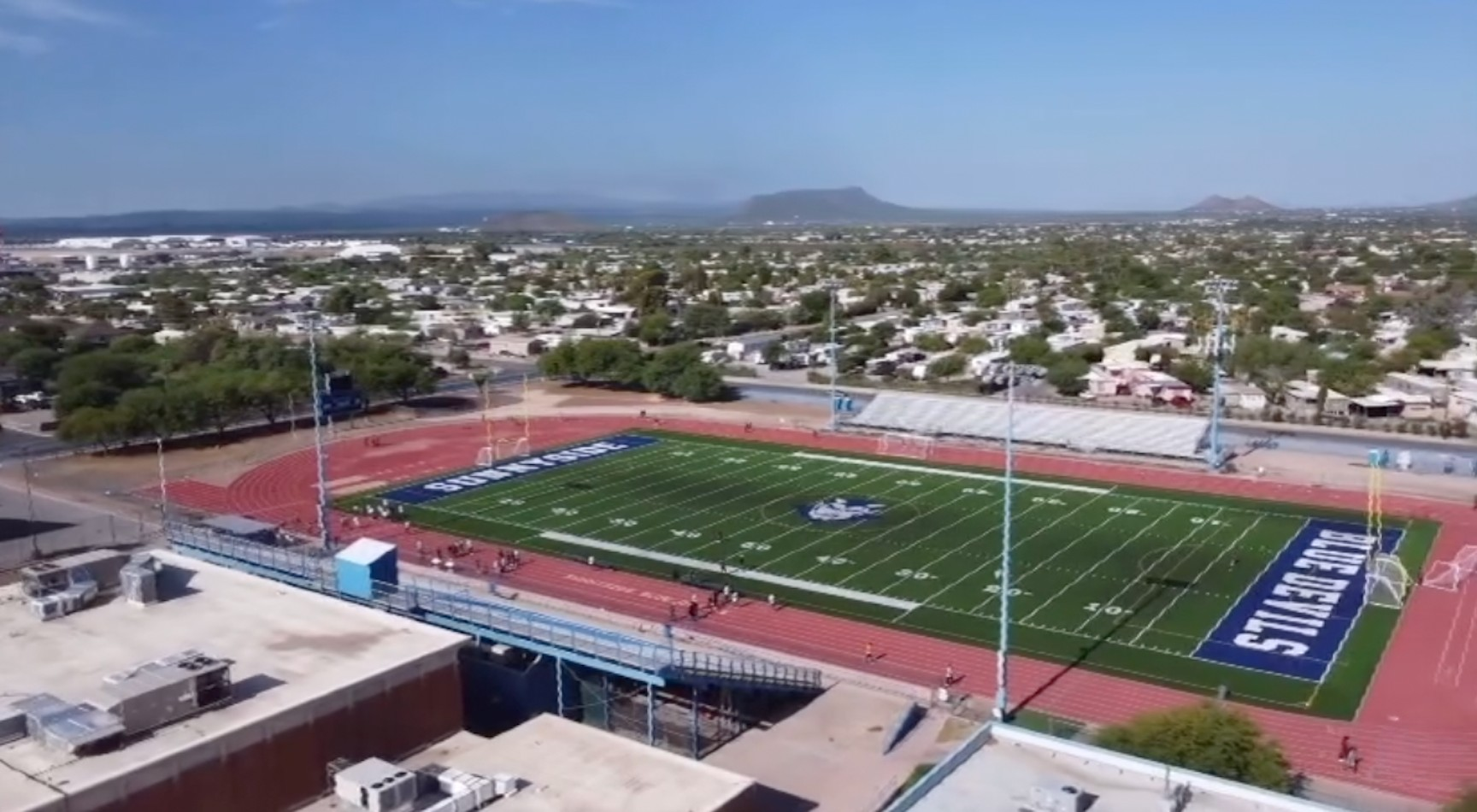
Sunnyside provides annual training on seizure first aid, and every five years, all staff are required to complete a longer training course.
The most common types of seizures among school-aged children are absence seizures, which can cause a brief lapse in consciousness and often appear as a blank stare or daydreaming episode. These seizures are most common in children ages 4 to 14.
Another common type is a febrile seizure, which is usually triggered by fever and can cause shaking, stiffening muscles and temporary loss of consciousness. Febrile seizures are most common in young children, typically between ages 6 months and 5 years.
Seizures can become more frequent in teens due to puberty-related changes, such as rising estrogen and neuroactive steroids, as well as increased stress, sleep deprivation and alcohol and drug use.
At least one student in every Sunnyside school has epilepsy or a condition that can cause seizures, and about 500 TUSD students have a known seizure disorder.
"That's about roughly one per 10 of our student population," Gaw said. "So, given the fact that we have about 12% of staff trained for that environment, I think that's a pretty good reality of having students covered with somebody around them that knows what to do."
The Epilepsy Foundation is hosting its annual Epilepsy Education Day in Tucson on Saturday, April 18 at the University of Arizona College of Medicine campus. The event will provide education on seizure recognition and response across life stages for patients, caregivers and community members.
Zoey Oberstein is a University of Arizona student majoring in journalism and a Tucson Spotlight intern. Contact her at zoeyoberstein@arizona.edu.
Tucson Spotlight is a community-based newsroom that provides paid opportunities for students and rising journalists in Southern Arizona. Please consider supporting our work with a tax-deductible donation.