Flowing Wells senior lunch program saved from closure
After funding abruptly dried up, a decades-old Flowing Wells senior lunch program has been saved through community fundraising and a UnitedHealthcare grant.
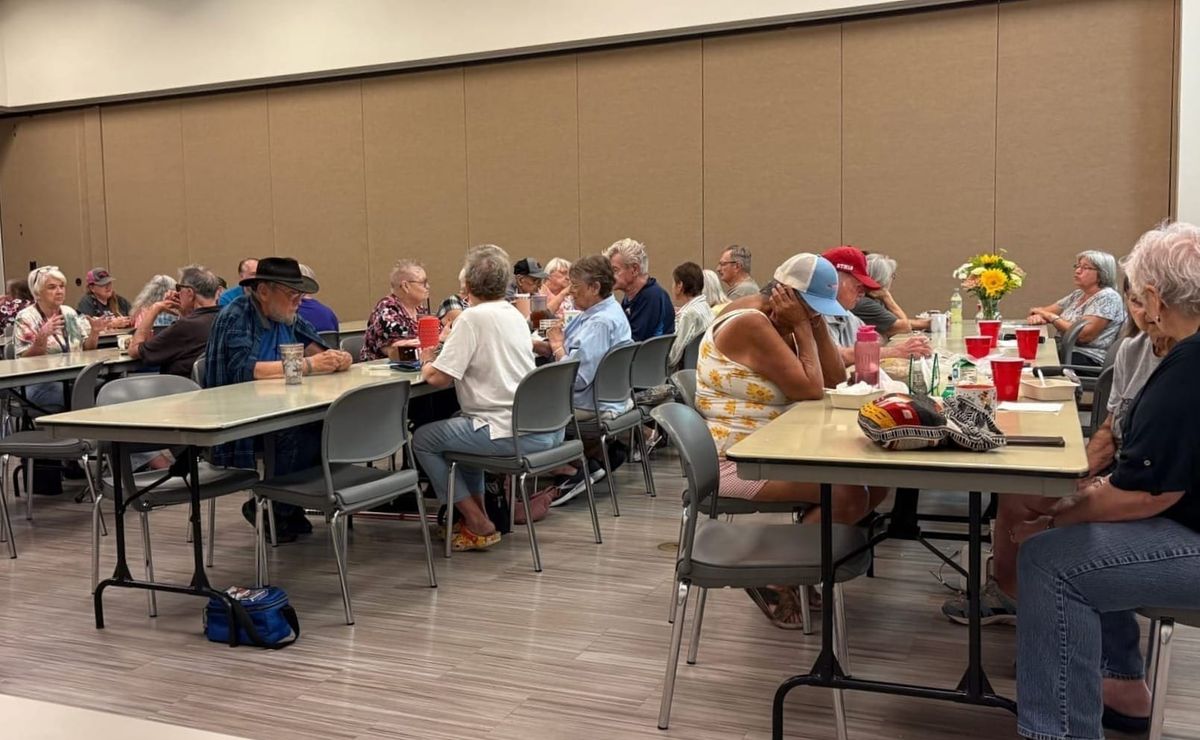
For nearly two decades, seniors in Flowing Wells relied on a thrice-weekly lunch program at the Ellie Towne Community Center to stave off isolation until funding abruptly dried up in 2025.
Now, after a scramble involving local credit unions, county dollars and a last-minute save from UnitedHealthcare, the program is back, though its long-term future remains uncertain.
The community center is a hub for generations of residents, hosting after-school and summer youth programs for kids and teens and regular "Active Adult" programs for people 50 years and older.
The center's senior lunch program not only provided attendees with a meal, but also the opportunity to spend quality time with others.
Ellie Towne Neal, 89, the center's namesake, said she had to stop the "Plate Full of Care" program last year, after a nearly 20-year run. The program has existed since 2007.
Neal has been a member of the Flowing Wells neighborhood since the 1980s and began volunteering in the community after retiring in 1996.
"I started the Neighborhood Watch in my area," Neal said. "Then I got involved with the Flowing Wells Neighborhood Association in February of 1997, and I've been with them ever since."
Neal has been a pillar of the community, serving as the neighborhood association president for nine years. And with the Plate Full of Care program's record of success, Neal was baffled as to why the funds for it had dried up.
Southern Arizona news written by journalists who live it. Free in your inbox.
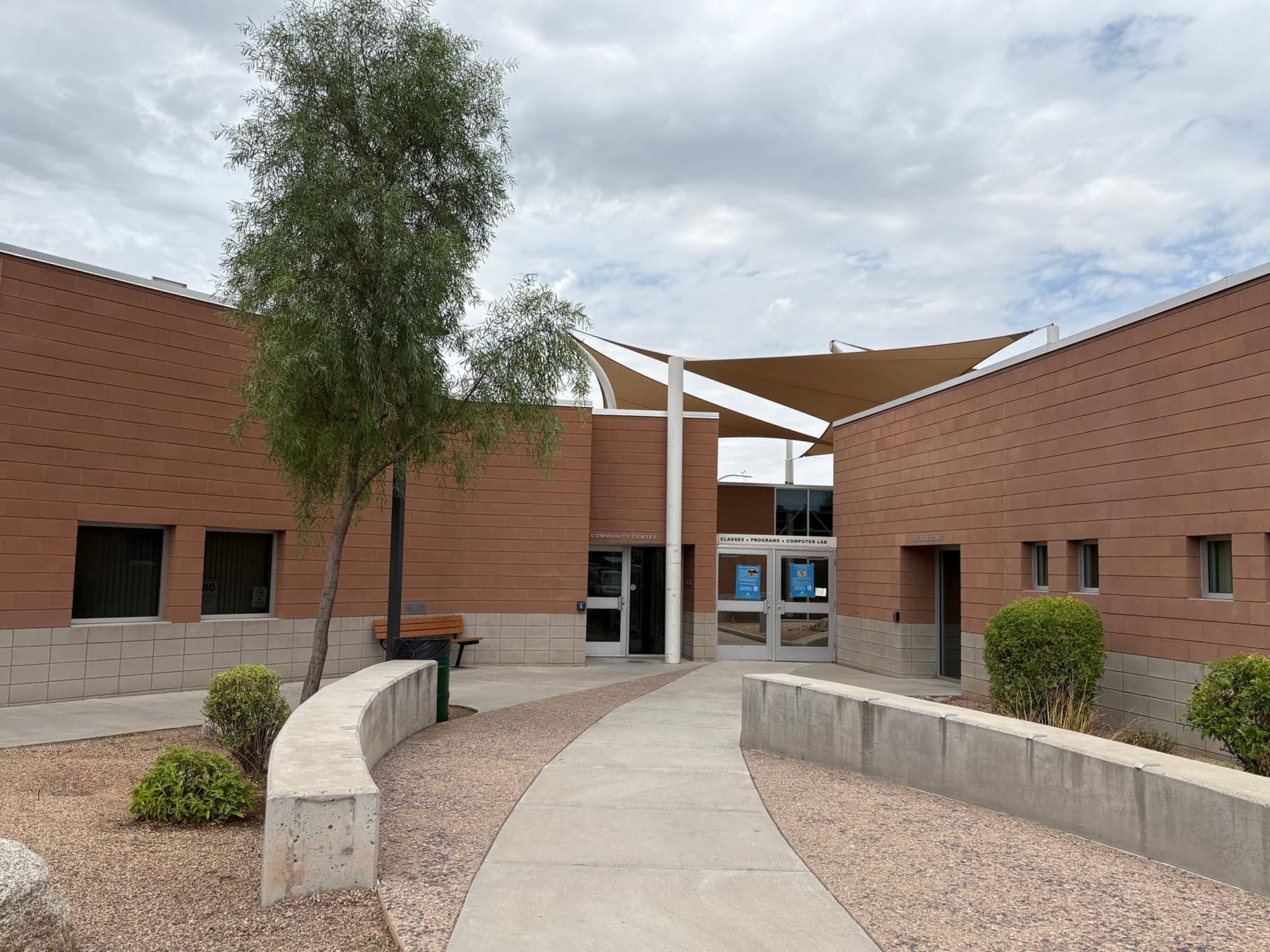
The program had previously operated on funding from the Pima Council On Aging, a nonprofit group that has worked alongside community partners for 60 years to ensure that no one has to navigate aging alone.
"I just know we had a two week notice that the meals were going to stop," Neal said.
She began reaching out to the communities around Tucson for support. Local credit unions, along with some funding from Pima County, kept the program funded.
But even with these efforts, without additional funding, the program was at risk of ending by early 2027.
That was until UnitedHealthcare's Community Action Plan stepped in.
Communications Administrator Jesse Sosa contacted the center, letting them know UnitedHealthcare would cover the $45,000 needed to maintain the program through the next year.
"Our mission is to help people live healthier lives," Sosa said. "And we're always looking for opportunities to try to support programs like here at Ellie Towne's Community Center."
UnitedHealthcare's Community Action Plan works with local nonprofit organizations and community centers to address the root causes of poor health, providing funding and resources otherwise unavailable to these organizations.
UnitedHealthcare spokesperson Lisa Contreras said the funding is meant to address social isolation among seniors, which can contribute to depression, cognitive decline and poorer health outcomes.
"I'm just amazed we are able to continue with all of this," Neal said. "This is a great place to come to, to get out and mingle."
For regulars like Rose Randall and Judy Springer, that continuity means everything.
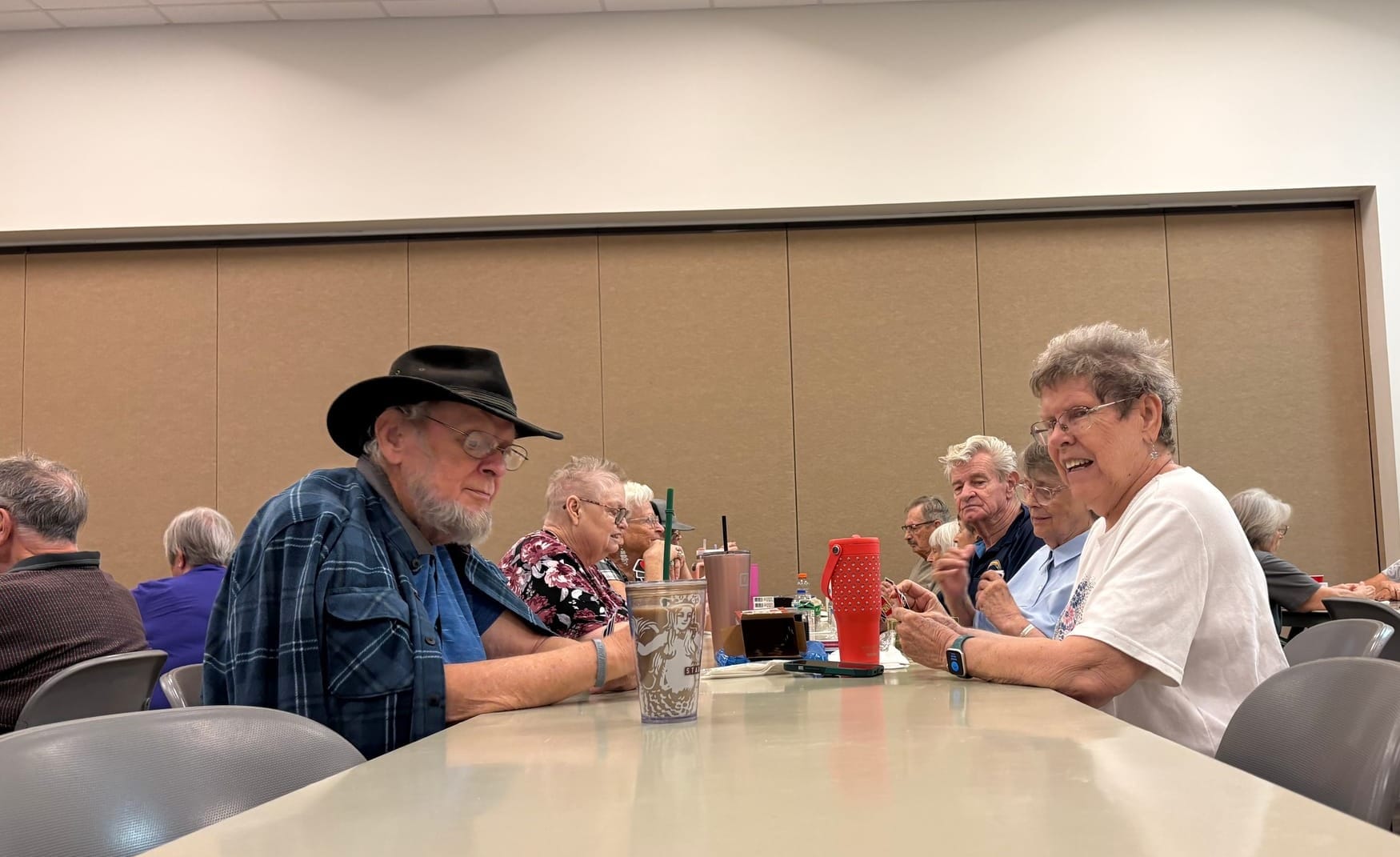
Randall, 77, said she's attended every lunch, three times a week, for a while now. She almost always sticks around afterward to play Uno with the others.
"I live alone, so it's nice to have friends to talk to," Randall said. "The people who work here and the people who come to visit and to have lunch, all very nice. I always feel welcome."
Springer, 85, heard about the program from a friend.
"I thought, 'Well, I'll come and see,'" she said, adding that she's been delighted by the new people she meets during the lunches.
She recently connected with someone new: a woman who spent time living in Wales.
Springer has also begun attending the active adult exercise classes that the community center hosts, noting the convenience, compared to her previous drive to Tucson Medical Center for similar services.
"I think it has a lot of potential," she said.
While the recent influx of donations has reinvigorated the program, the issue of long-term funding still remains.
UnitedHealthcare annually reviews its partnerships to determine if the need has been satisfied or not. If the Plate Full of Care program is not able to find a more permanent source of funding, the Community Action Plan will consider providing more funds to keep the program afloat, Sosa said.
Quentin Agnello is a University of Arizona alum and freelance journalist in Tucson. Contact him at qsagnello@gmail.com.
Tucson Spotlight is a community-based newsroom that provides paid opportunities for students and rising journalists in Southern Arizona. Please consider supporting our work with a tax-deductible donation.