Coffee, cigars and a housing crisis on Rio Nuevo's plate
The Rio Nuevo District board heard proposals for affordable housing solutions and several new businesses at its Feb. 24 meeting, as the district works to shape the future of downtown Tucson.
Rio Nuevo is weighing new business investments and confronting a growing affordable housing crisis as the district looks to shape the future of downtown Tucson.
Increasing affordable housing opportunities in the Rio Nuevo District is one of the board's top priorities in its Master Plan, and the topic dominated much of the Feb. 24 meeting.
A panel of Tucson developers, contractors and directors presented to the board, highlighting a stark statistic: from 2018 to 2024, unsheltered homelessness in Pima County increased 253%.
More than 62,000 new housing units, or about 3,000 per year, would need to be built by 2045 to address the housing crisis.
Developer Jim Tofel outlined several approaches for the board, focusing on the federal Low-Income Housing Tax Credit program's two main options: 9% and 4% credits. The 9% credits are highly competitive, awarded once a year and capped at $2.5 million per project by the Arizona Department of Housing, typically limiting developments to 40 to 90 units.
The 4% credits are tied to tax-exempt private activity bonds distributed by lottery and are generally used for larger projects of more than 100 units due to higher transaction costs. Unlike the 9% program, the state does not cap the annual credit amount, and applications are typically available twice a year.
There's a catch, though. For projects under the 4% program to receive a 30% basis boost, they must be located in a Qualified Census Tract, and Rio Nuevo's boundaries have little overlap with the QCT map. Thus, the challenge becomes finding available sites to begin development.
"Clearly there's some challenges we cannot shy away from, especially the site availability," said Rio Nuevo Chairman Fletcher McCusker. "There are some conversations about expanding RN geographically, which could open up some other sites. It's definitely not going to be easy, though."

Financial constraints added another layer of complexity to the discussion, and the board ultimately tabled any decisions on affordable housing before turning its attention to potential new businesses.
Brock Lynch, an operating partner of Open Container Hospitality Group, presented plans to open a Sonoran-inspired barbecue restaurant, a coffee shop and the Hotel Arizona, asking the board for $231,250 to aid in development.
Because of budget constraints, no decision was made, with the board tabling the discussion until its next meeting.
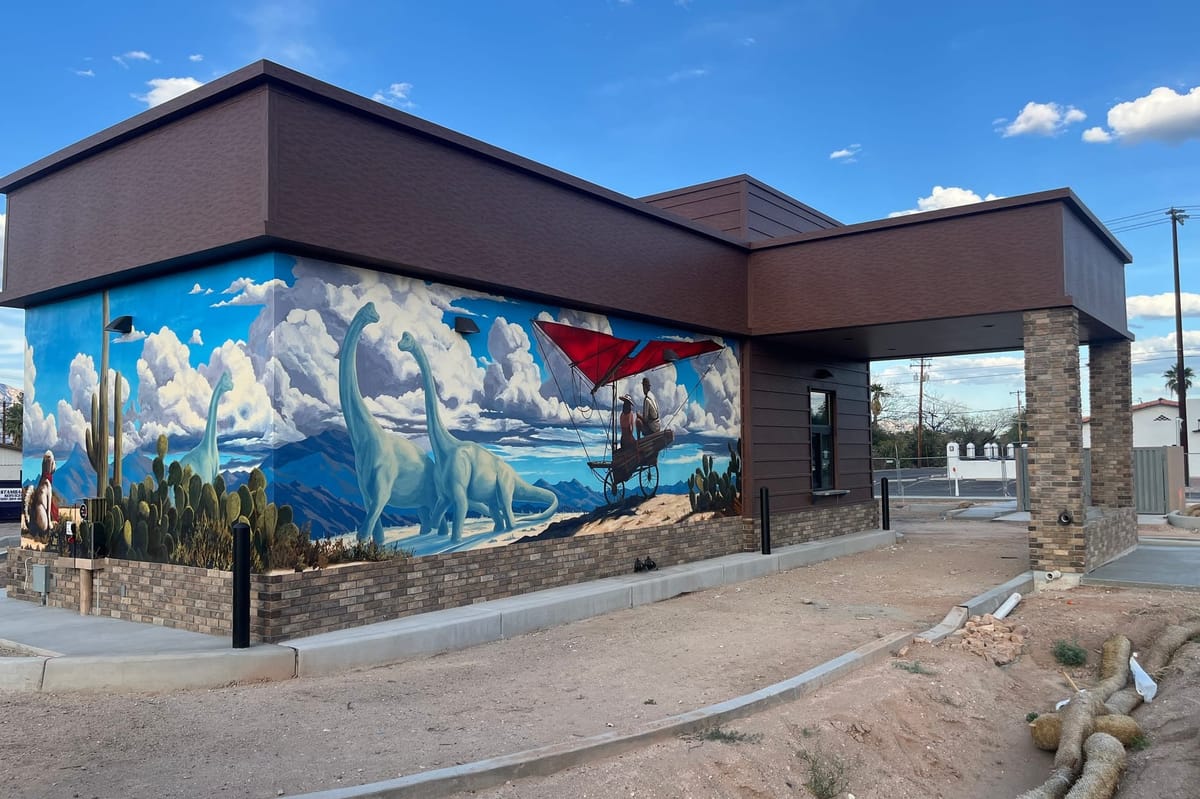
The board returned to a proposal Desert Drifter Coffee founder Eddy Yunhkerr presented during the Feb. 10 meeting seeking assistance with construction costs for its newest build, located at Broadway and Alvernon.
Desert Drifter is a community-oriented coffee, tea and smoothie business that partners with local artisans and uses local ingredients when possible.
The Broadway and Alvernon project will be the company's fourth location, with the other three shops located at Speedway and Main, Grant and Swan, and in Oro Valley.
With more than 15 years of experience in the coffee industry, Yunhkerr said he believes in fostering old-school values and forming true connections with his employees.
The company's ask was two-fold: a $75,000 grant along with a $105,000 loan to be paid back in 14 months at a 5% interest rate. These contributions would help fund a construction shortfall, as Yunhkerr recently realized the company had incurred $151,000 in unexpected expenses.
The board unanimously agreed to fund the request as proposed.
"We'll do you proud; we'll make some good coffee and some good smoothies," Yunhkerr said after the vote.
The new store is projected to open in early April, although Yunhkerr said technical setbacks have made a late-April opening more likely.
Fairway Cigars, a retail and leisure establishment combining premium cigars, spirits and golf simulators, also made its case to the board.
"We want to make Fairway a premier destination for golf and cigar enthusiasts that want to enjoy adult beverages in an upscale environment," said co-developer Andy Brown.
Brown and his business partner, Jeff Ronstadt, had been working on this concept for about a year before coming to Rio Nuevo for assistance on Feb. 10.
They asked the board to rebate 50% of Fairway Cigars' tenant improvement expenses, the costs of customizing the leased space, which, after a landlord reimbursement, totaled $72,617.50.
No action was taken on Feb. 10, but the board unanimously voted to fund their request.
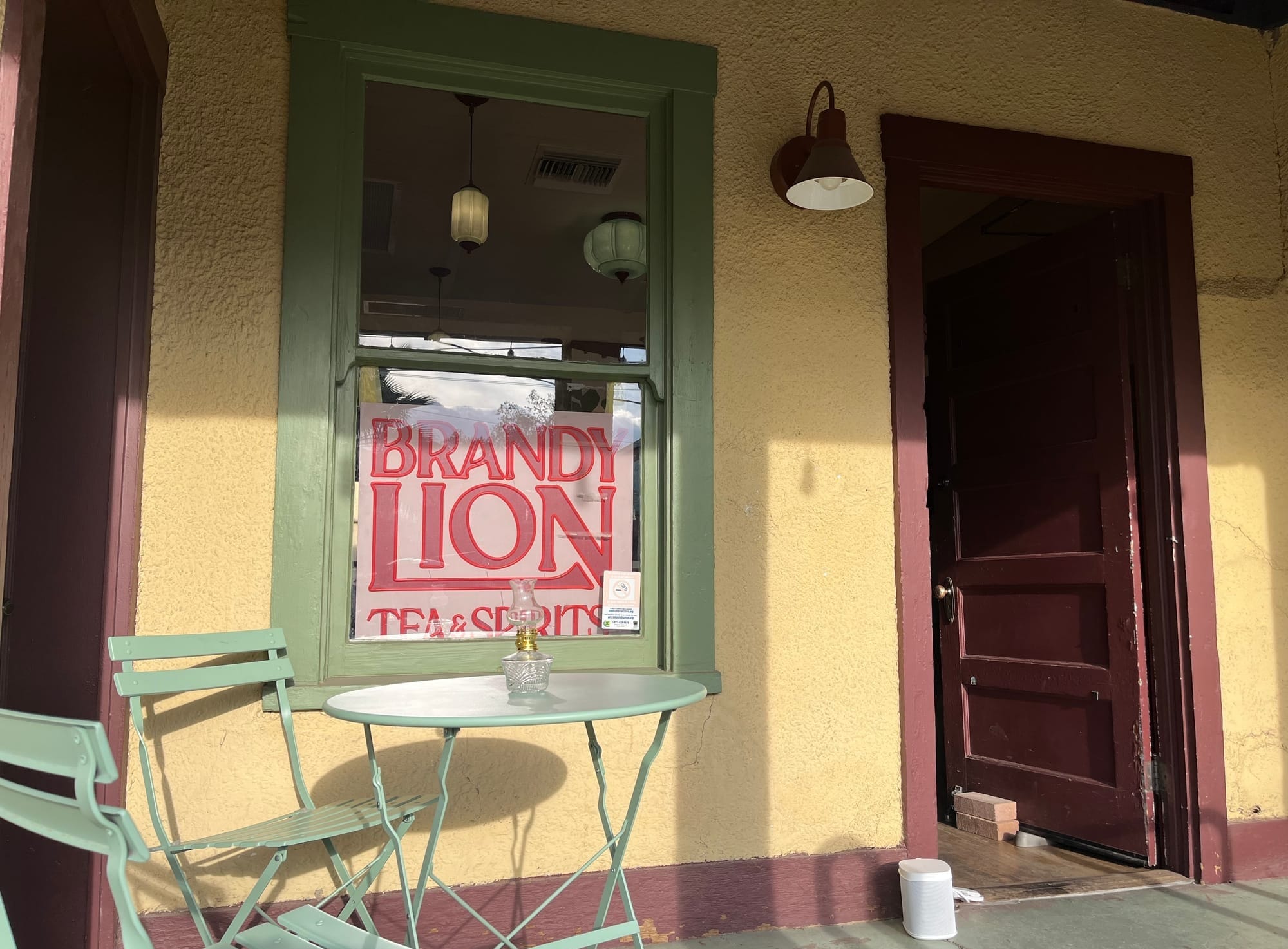
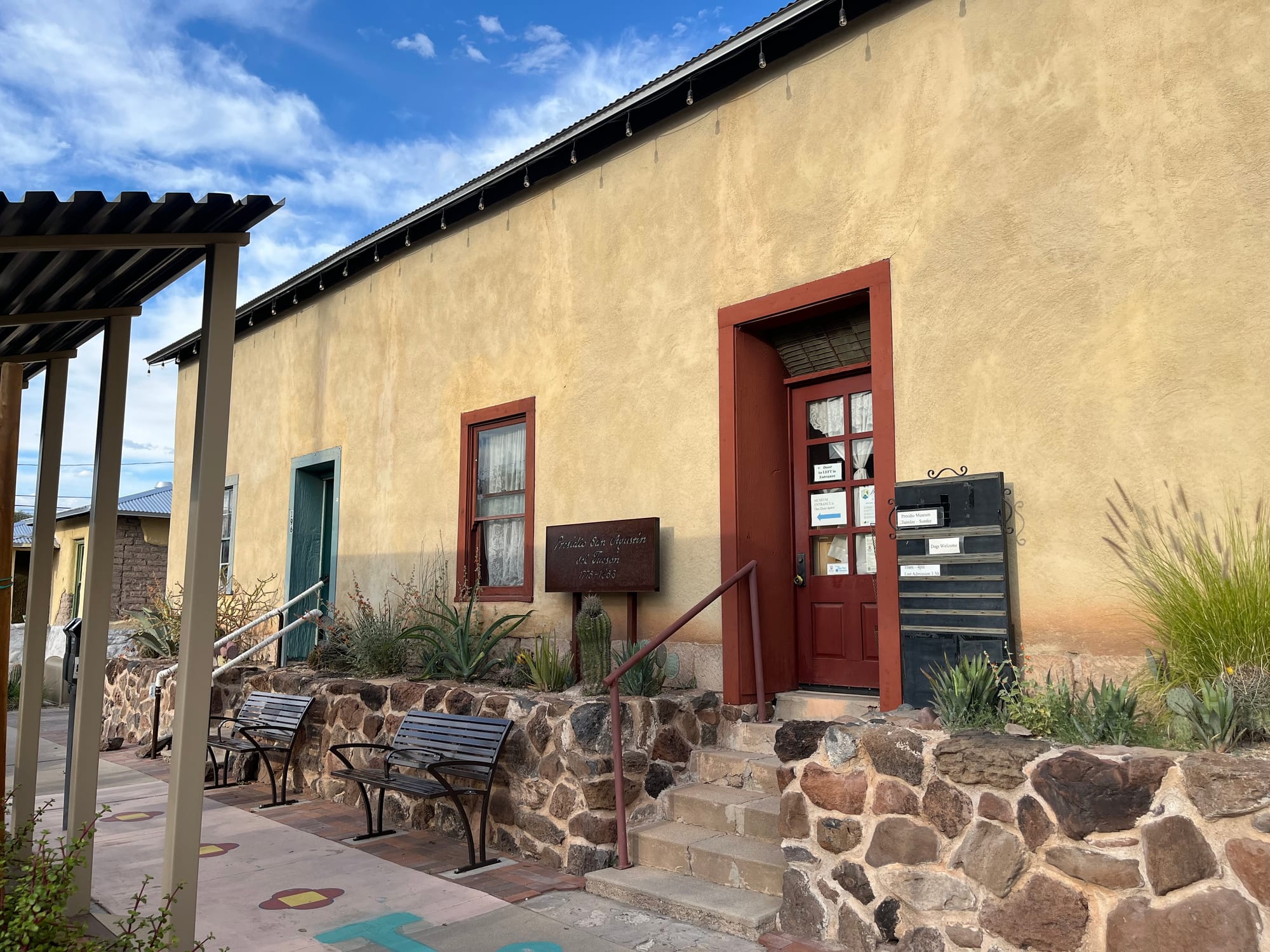
The board also heard from Amy Hartmann-Gordon, director of the Presidio Museum, which inherited a Rio Nuevo-owned building in the historic Presidio District.
The building housed Dandelion Cafe and Bakery for the last few years, but will soon be transformed into Brandy Lion, a new establishment operating as a tea house by day and bar by night.
Elliot Morse and Kelner Brown, founders of new LLC Zocalo Hospitality and developers of Brandy Lion, are planning to bring nightly bar service and large quarterly events to the space.
"This will be a great way to activate the beautiful courtyard space when we're not acting as a museum," said Hartmann-Gordon.
With its hours of operation and functionality expanding significantly, the establishment's ability to generate sales tax revenue will increase. Hartmann-Gordon stressed this when asking the board for $29,615.48 to help pay back construction costs.
No action was taken during the meeting, though the board discussed aiding Presidio through a rebate.
The board also discussed acquiring several vacant parcels along Broadway between Euclid and Country Club, which the city has offered to the district for development.
The city would sell the parcels for $10, and when Rio Nuevo later sells the properties to a developer, the city would be repaid their value. Depending on the lot, the repayment could range from $24,000 to $201,000.
No decisions were made, though board members indicated a deal between Rio Nuevo and the city is likely imminent.
Ahva Ghazanfari is a University of Arizona student and Tucson Spotlight intern. Contact her at ahvanghazanfari@arizona.edu.
Tucson Spotlight is a community-based newsroom that provides paid opportunities for students and rising journalists in Southern Arizona. Please consider supporting our work with a tax-deductible donation.